Spiritual Warfare
Caesar's epic battle at Alesia paints for us a powerful picture of the greater cosmic conflict Christians face.
The air stank of smoke and sweat, of dying embers and sharpened steel. Beneath a bruised sky, Julius Caesar, the Roman governor of Gaul, stood looking up at the hilltop fortress of Alesia, where Vercingetorix, the fierce chieftain of the Arverni, had rallied the tribes of Gaul into one final stand. Caesar fermented division, rivalry and intrigues between the Gallic tribes in order to enlarge Roman dominion over Gaul, and hold on to what he already had. Caesar also chased rebellion against Rome across rivers, forests, and mountains—but now, here he was, facing Vercingetorix and his forces bunkered in above, inside Alesia. Days earlier at Gergovia, both the Gauls and Romans had inflicted heavy casualties upon each other. Vercingetorix fled to Alesia knowing Caesar would come and almost assuredly, begin a siege. The leader of the Arverni was counting on it for he had devised a plan against his adversary.
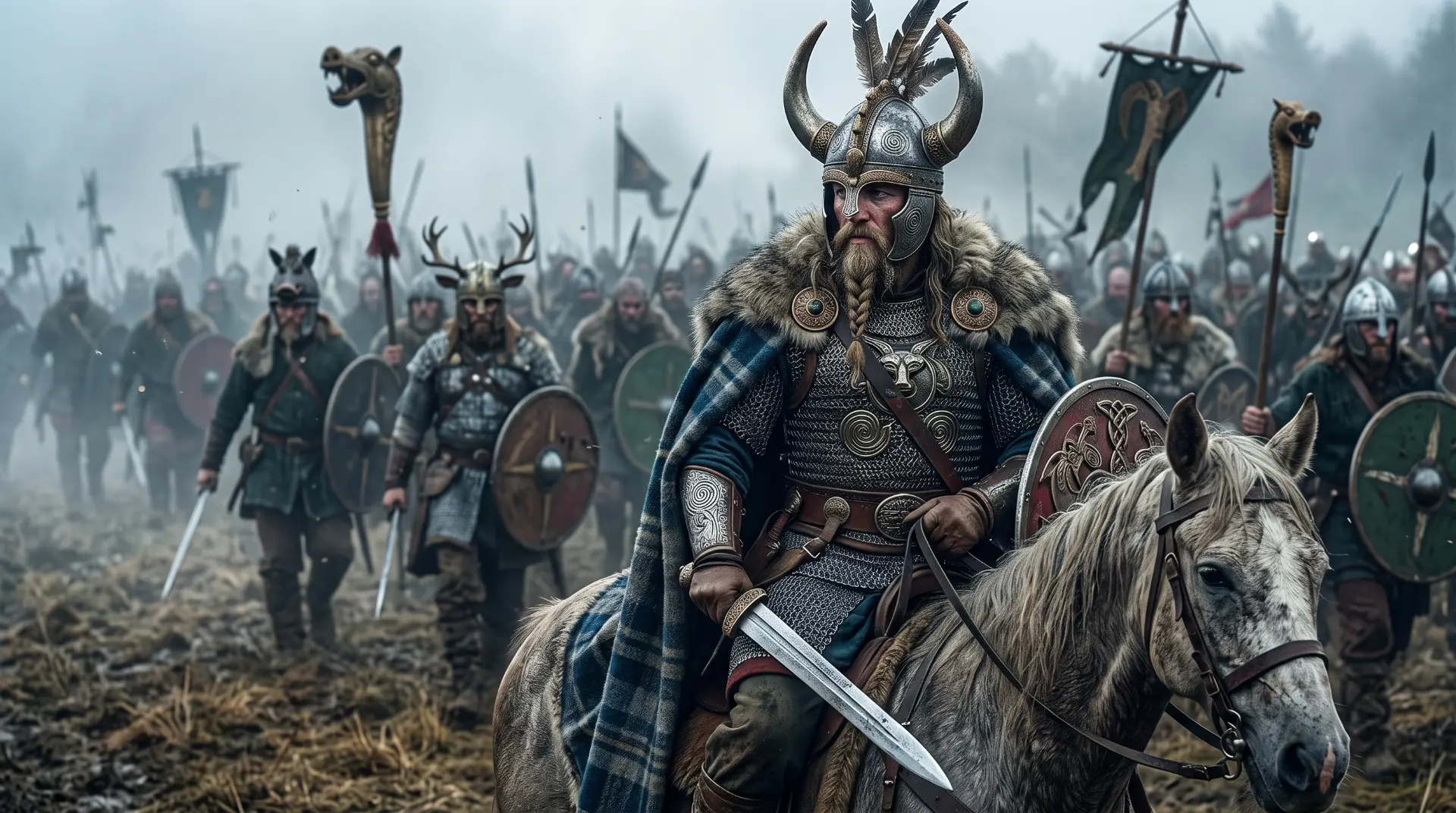
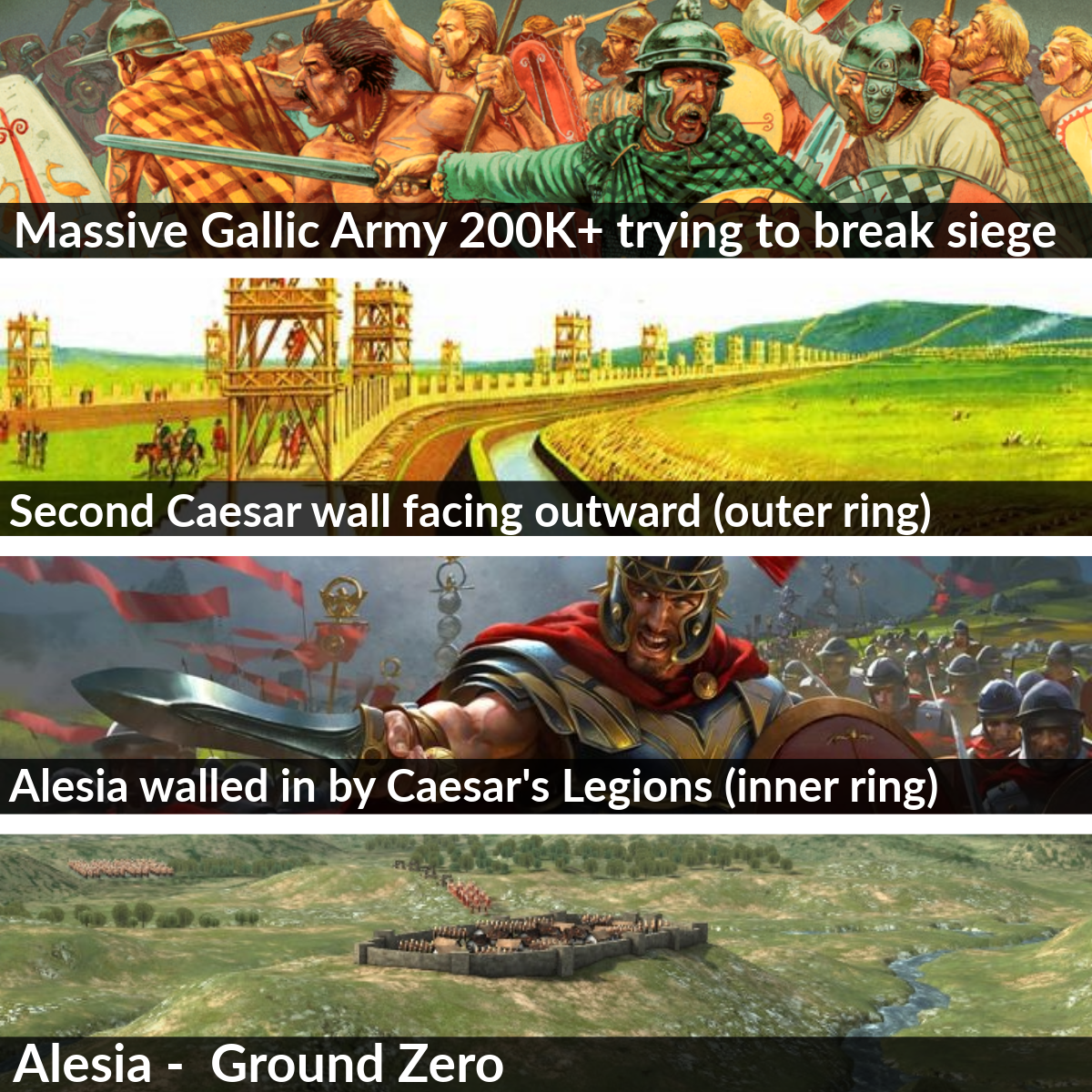
Caesar and his legions arrived, 70,000 filled his ranks as they confronted an equal number of Gallic soldiers above in Alesia. Caesar ordered his men to begin digging. The First Wall: The Noose Tightens As the Gauls inside Alesia prepared for siege, Caesar began building a wall around the enemy. A wall ten miles long, studded with ditches and palisades to turn Alesia into a prison for those inside. The encirclement wrapped around the hill in a tightening noose. No food in. No escape out. Like a serpent coiling around prey. News from scouts returning from the countryside confirmed the hunch that propelled Caesar to send them out in the first place. A massive Gallic relief force was mustering to assault the general’s rear, the Roman leader’s instincts and earlier orders for larger food provisions to be brought into camp would be key to his army's survival. He wasn’t just besieging Alesia anymore, he had invited a second enemy.
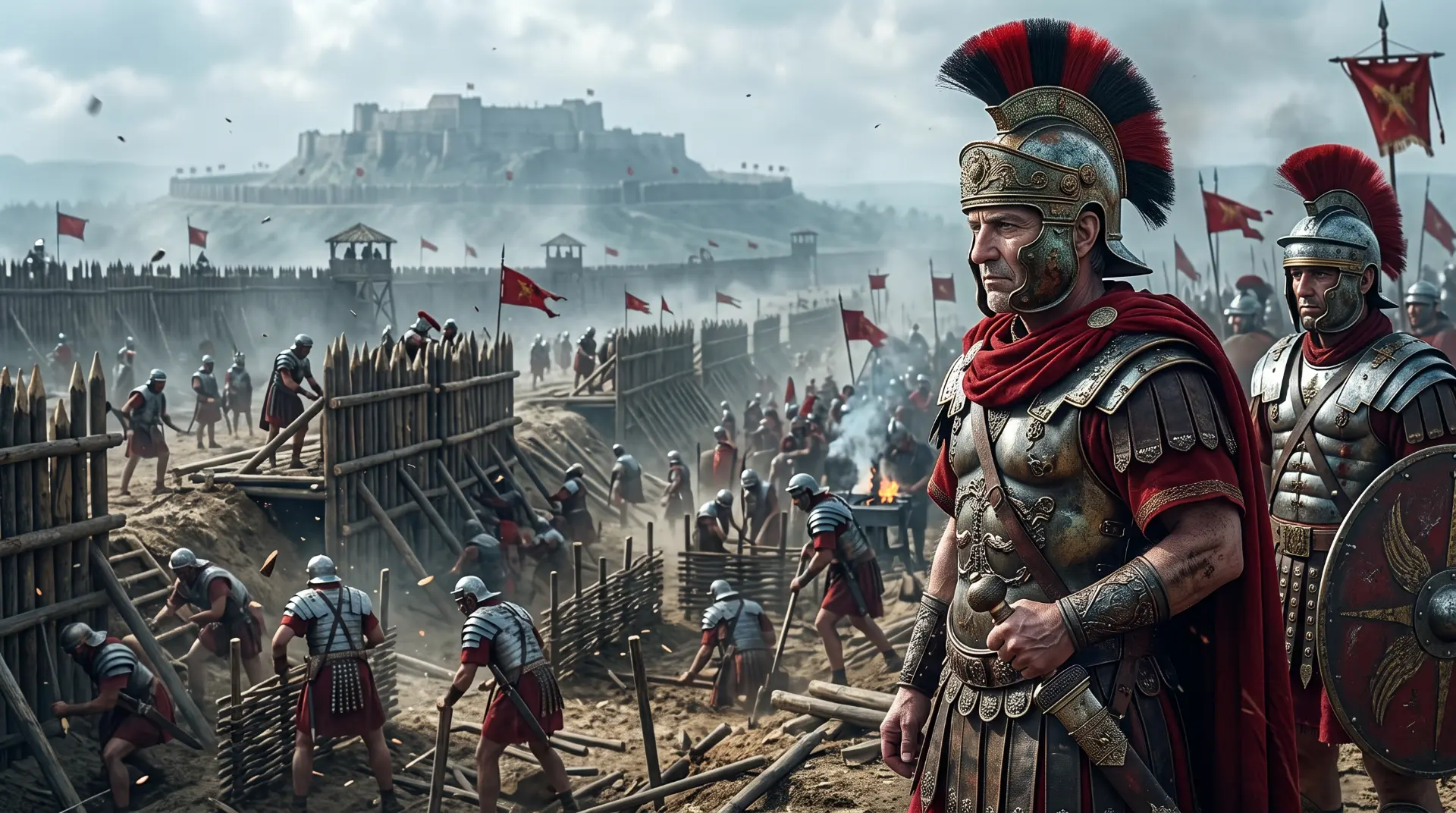
The Second Wall: Against the Tide Messengers had already confirmed it: A Gallic relief army was coming. Not hundreds, not thousands—hundreds of thousands, from nearly every tribe in Gaul. A tidal wave of fury. Caesar stood between two enemies: Vercingetorix, starved but defiant inside Alesia. And an unstoppable horde, marching straight towards him. Most generals would have fled. Others might retreat to higher ground, regroup, and hope.
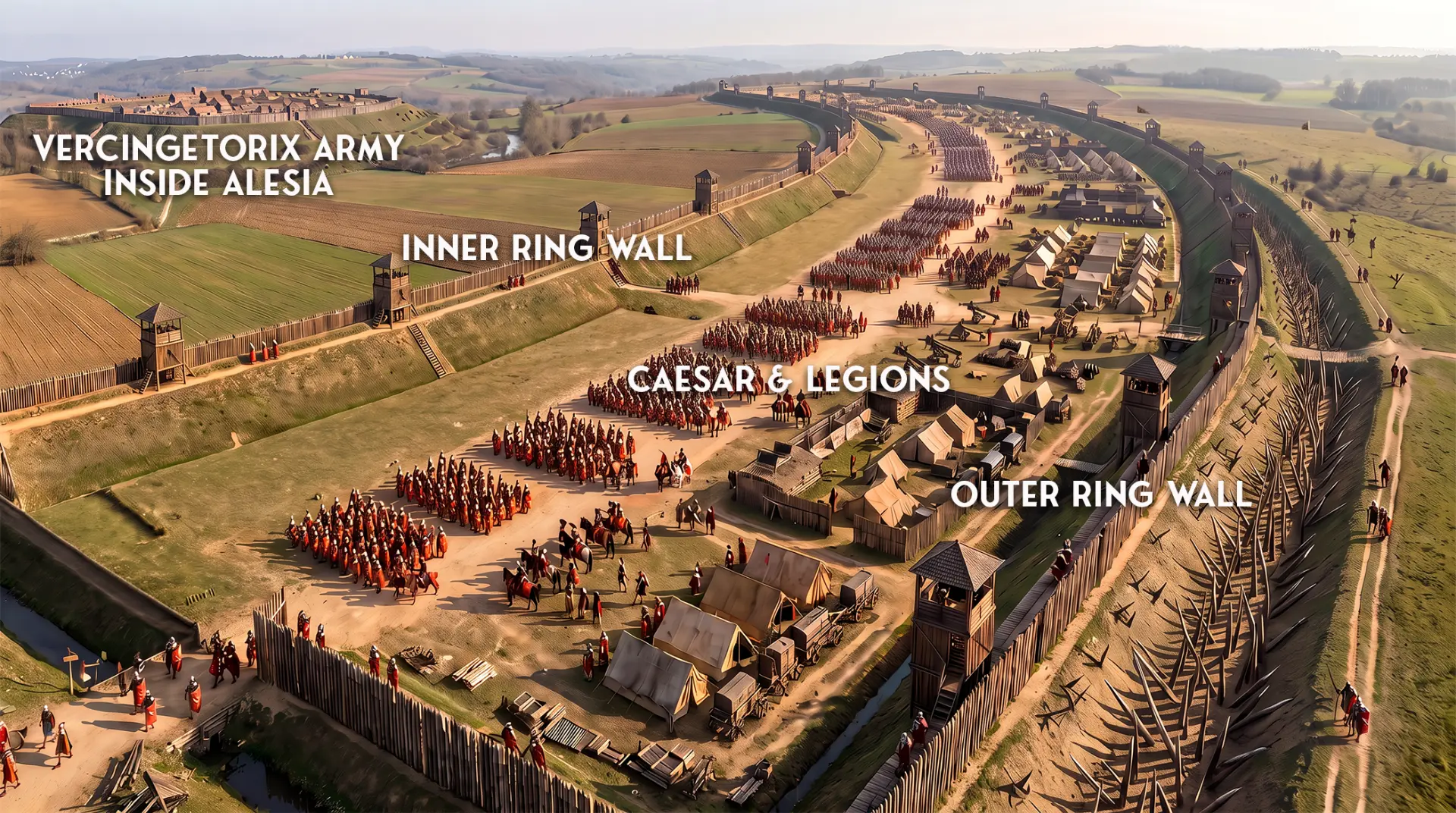
Caesar chose a different path. He gave his men a second impossible order: “Build another wall.” A second ring—facing outward, 14 miles long with towers, a water filled trench several feet deep with spikes, snares and traps awaiting those who approached its defensive barrier.
Now, the Roman army stood in a narrow killing field, walled in on both sides. The world thought Caesar mad. Even some of his officers whispered of it. Why would any sane man build two walls to trap himself between two armies? But Caesar wasn’t just trying to survive, he was trying to control the battlefield. Two Fronts of Hell The inner wall would keep Vercingetorix bottled. The outer wall would channel and delay the relief force. And in that narrow space between—the gauntlet Caesar had designed—he would fight both enemies on his terms, where maneuver, discipline, and Roman engineering could outweigh sheer numbers. He knew his legionnaires were force multipliers on the battle scape, a kill caliber of skill greater than the vastly more numerical arms opposing him. Then came the siege.
The relief force arrived. Massive. Furious. Like thunder given flesh. It began probing the Roman defenses. Raids and full assaults by day and night. Encased within two fortifications only a few hundred feet from one another, the men of Rome refused to yield ground to the dual tempest threats on either side. Again and again, Caesar was nearly overrun. Dirt turned to mud. Mud turned to blood. Men slept on their shields. Some never woke. At times, they fought almost back-to-back—one wall behind them, one wall ahead. No retreat. No reinforcements. Just will. The Brink Then came the final assault. The Gallic relief army found a weak spot on the Roman outer wall—a narrow valley where the ground worked against Caesar. Tens of thousands of Gauls smashed into the defenses, certainly this was the end for those of the mighty Tiber River. The lines began to collapse. Inside Alesia, Vercingetorix surged forward down the slope with everything he had. The Romans were buckling. Even Caesar’s hardened veterans looked to him, searching for signs. Then came the white horse. Caesar, in his crimson cloak, rode to the breaking point himself. With calm command and perfect timing, he drove his cavalry force around to the rear of the attackers, taking them totally by surprise with such an audacious action.
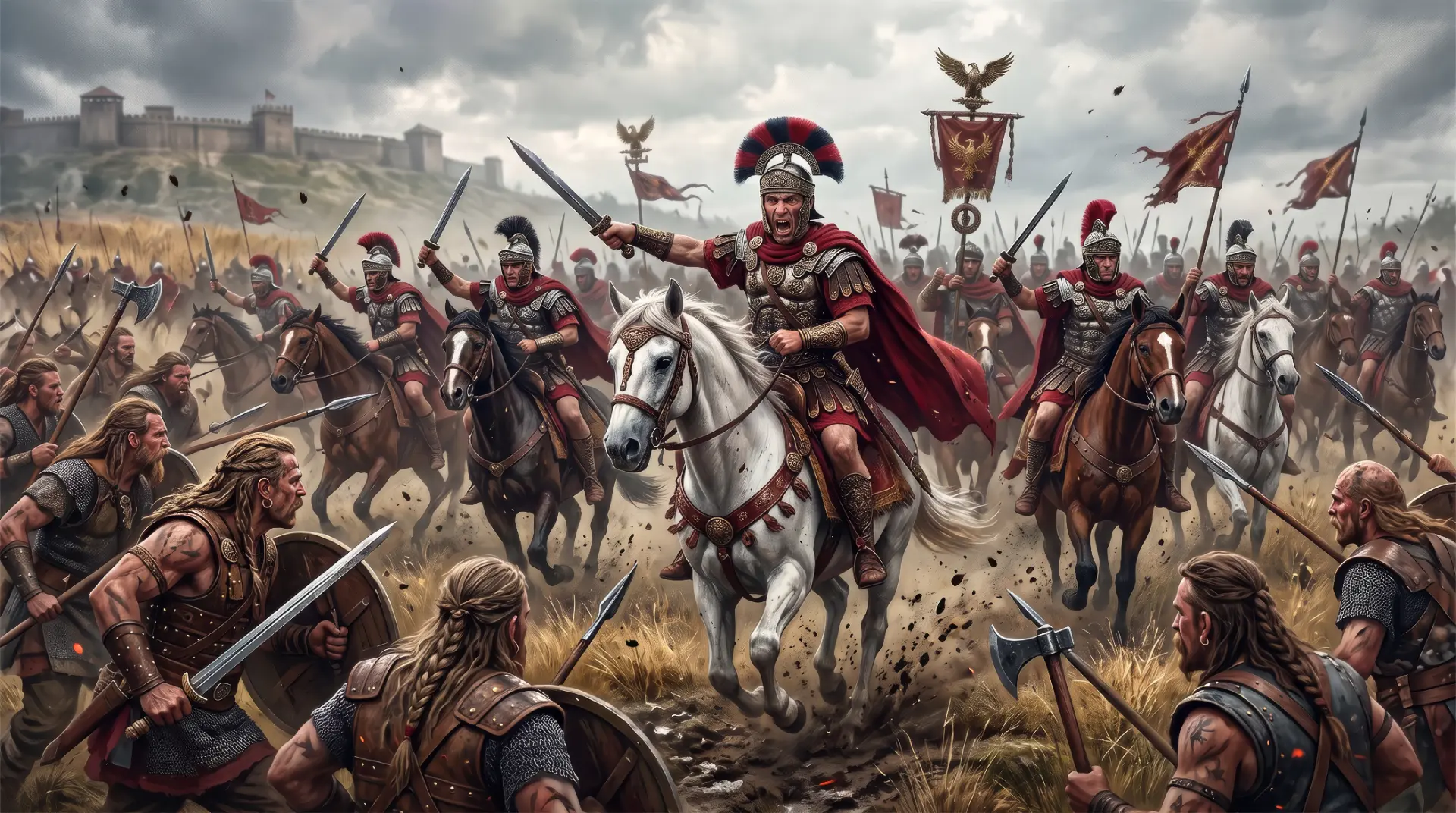
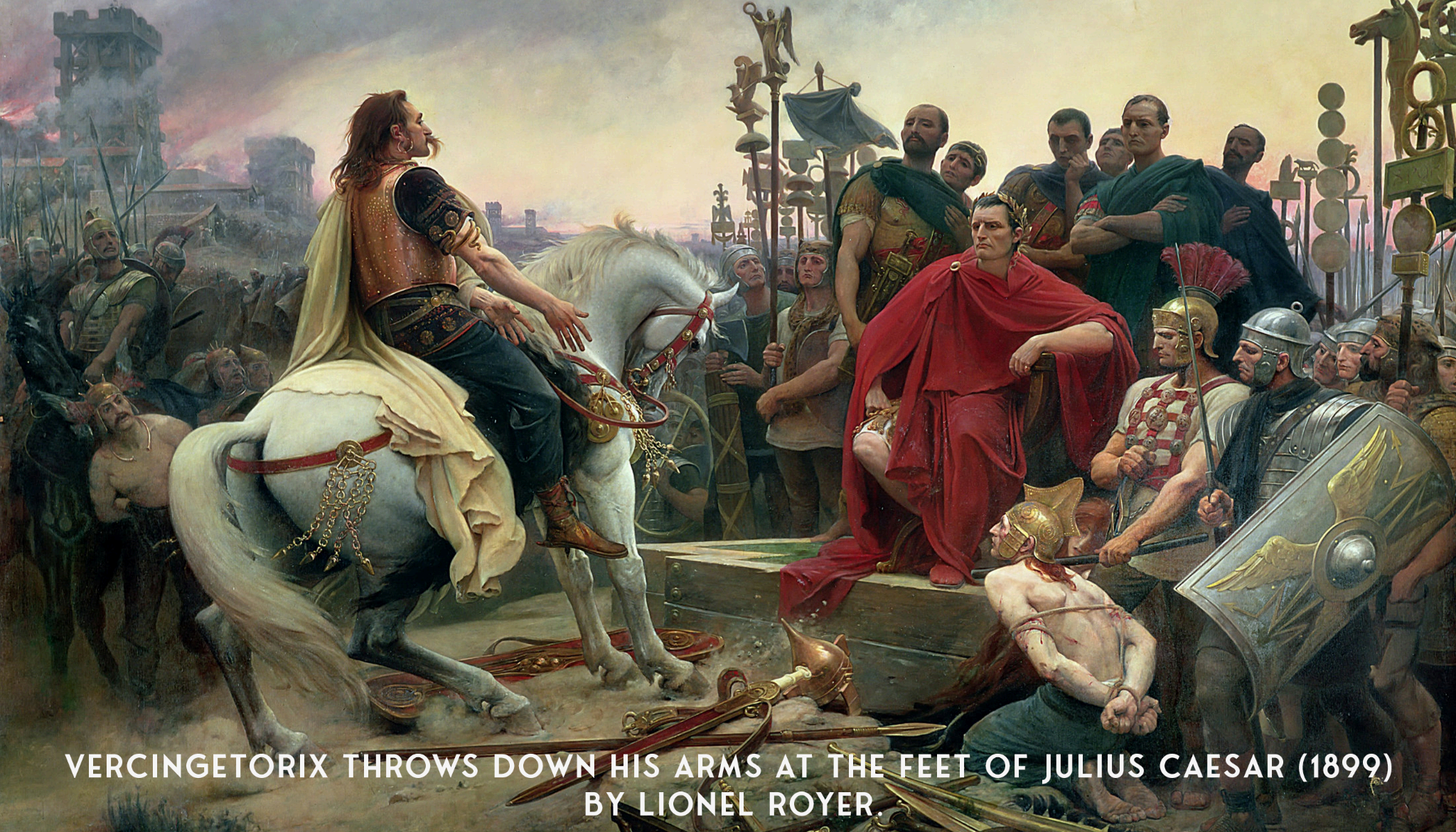
They struck the Gallic flanks like a hammer. The relief army broke. Panic spread like wildfire. And just like that—the wave that was to drown Caesar receded and the rout of the Gauls ensued… Victory, Against All Odds The next morning, the banners were lowered inside Alesia. Vercingetorix, dressed in full armor, rode out alone. He dismounted, knelt, and laid his sword at Caesar’s feet.
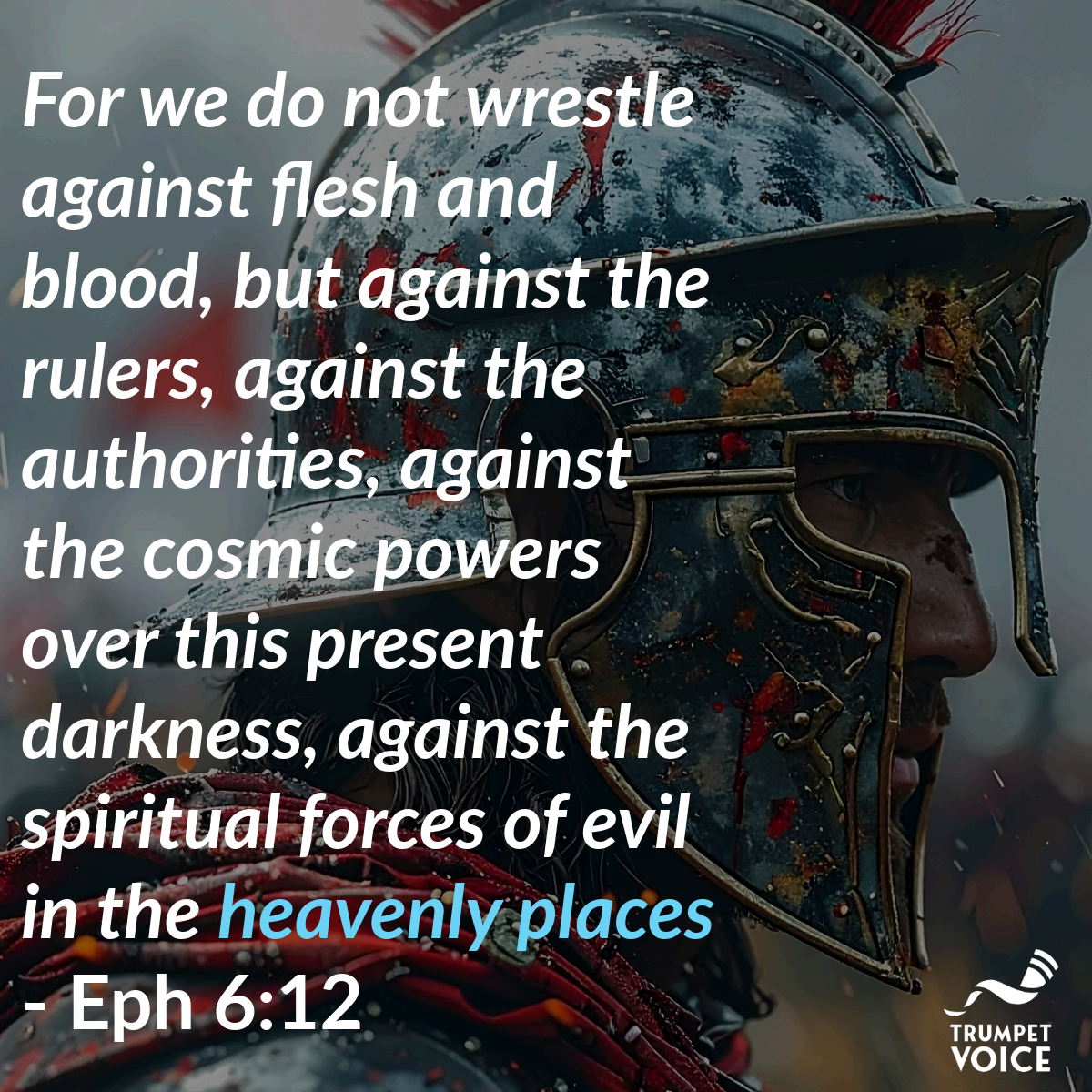
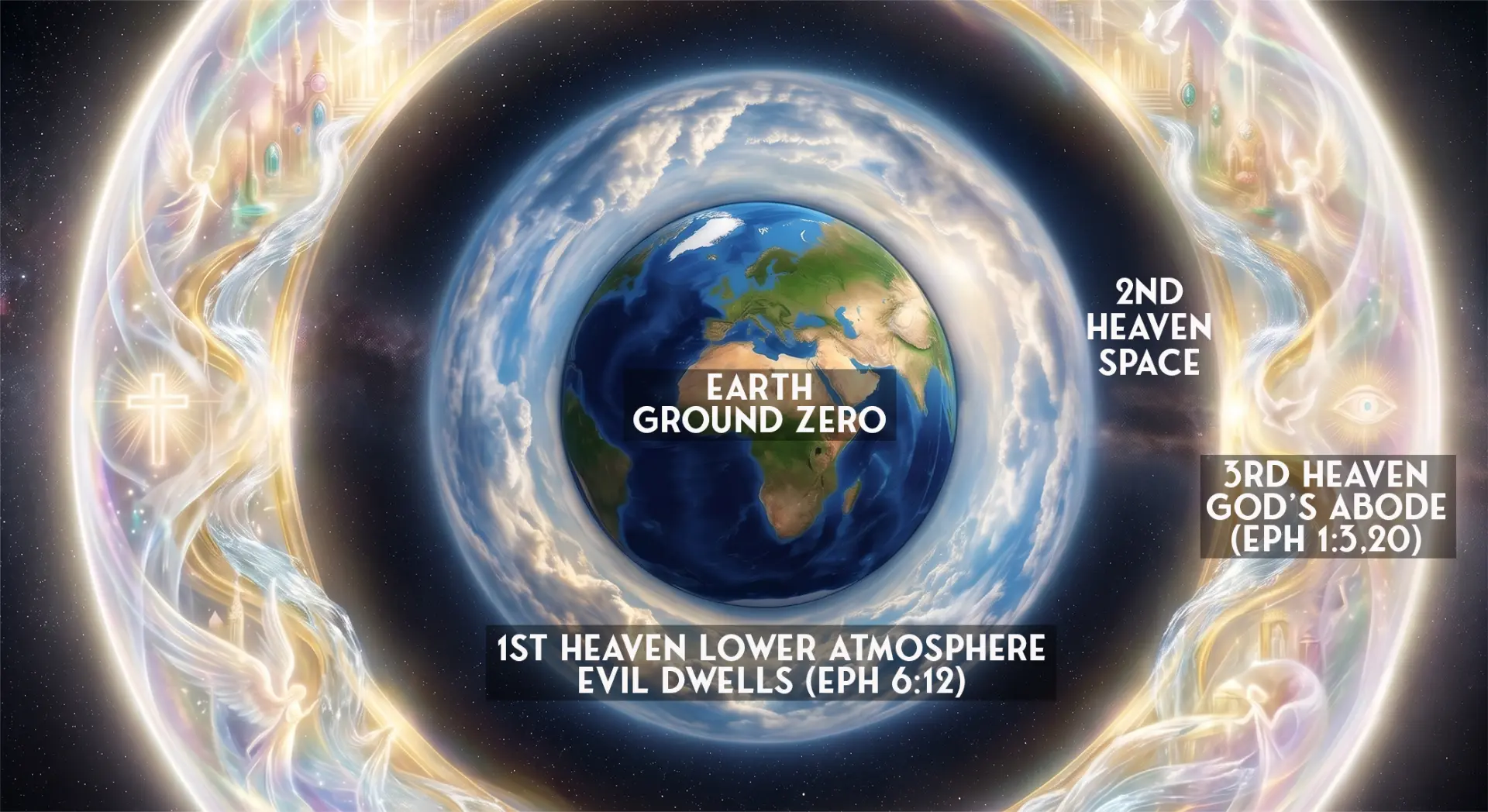
The gamble had worked. Two walls. Two enemies. One army…. victorious. And one man who bet everything on discipline, daring, and a vision no one else could see. In the end, Caesar didn’t just win Gaul. He rewrote the art of siege warfare. He proved that risk, when guided by reason, could reshape empires. But he also proved something darker; A man willing to trap himself between annihilation and glory is capable of anything. What a story from history! As in our nation’s culture, we in the American Church have been raised on heroic, daring tales to help share biblically true principals from the pulpit. The Alesia story, its very geography and glory have something vital to educate us on concerning spiritual battle. Our first order of business is to explain what you already may have been suspecting. That once again as Americans, we identify with a man of greatness conquering against overwhelming odds, to bend all obstacles towards his will and victory! There is however one slight problem for any of us making personal comparisons with the Roman Imperator here. That is because in the narrative of Alesia for biblical purposes about to be shared, Caesar represents the Devil. Yes indeed, and allow me to explain why that is in terms of waging war in the heavenlies per the Word of God. The battlefield tactics and geometry of opposing forces at Alesia are almost exactly the same as the spiritual arena arrayed in conflict concerning earthly outcomes. Caesar’s ring around Alesia, fighting both those inside the hilltop fortress and those outside coming to help, are the same as evil principalities positioned against God’s creation, most notably… us. Paul’s words to the Ephesians give us profound insights on spiritual battle. The whereabouts of rival spiritual hosts in Ephesians may be hard to recognize at first. We read of the blessing in the “heavenly places” from God the Father that is also the same location of the “heavenly places” where Jesus is now seated with him (Ephesians 1:3, 20). This location in the heavenlies where Father and Son are seated is the abode of God, far above all rule and authority and power and dominion, and above every name that is named, not only in this age but also in the one to come - Ephesians 1:21. The abode of God is supreme and higher than any other realm, it stands alone, outside of space and time and yet active in those lesser habitations of God’s own creation. So then, where is the realm of evil? The Apostle Paul goes on to tell us; For we do not wrestle against flesh and blood, but against the rulers, against the authorities, against the cosmic powers over this present darkness, against the spiritual forces of evil in the heavenly places (epouranios). - Ephesians 6:12 The original word for “heavenly places” in its various contexts can mean the abode of God and his heavenly host as mentioned. The phrase may also describe the lower domain of the stars or the heavens in our lower atmosphere of the clouds. In the case of where spiritual battle ensues due to the presence of demonic forces, that location is the clouds. The home of Satanic armies is not the abode of God, it is the lower atmosphere surrounding the earth, like Caesar surrounding Alesia.
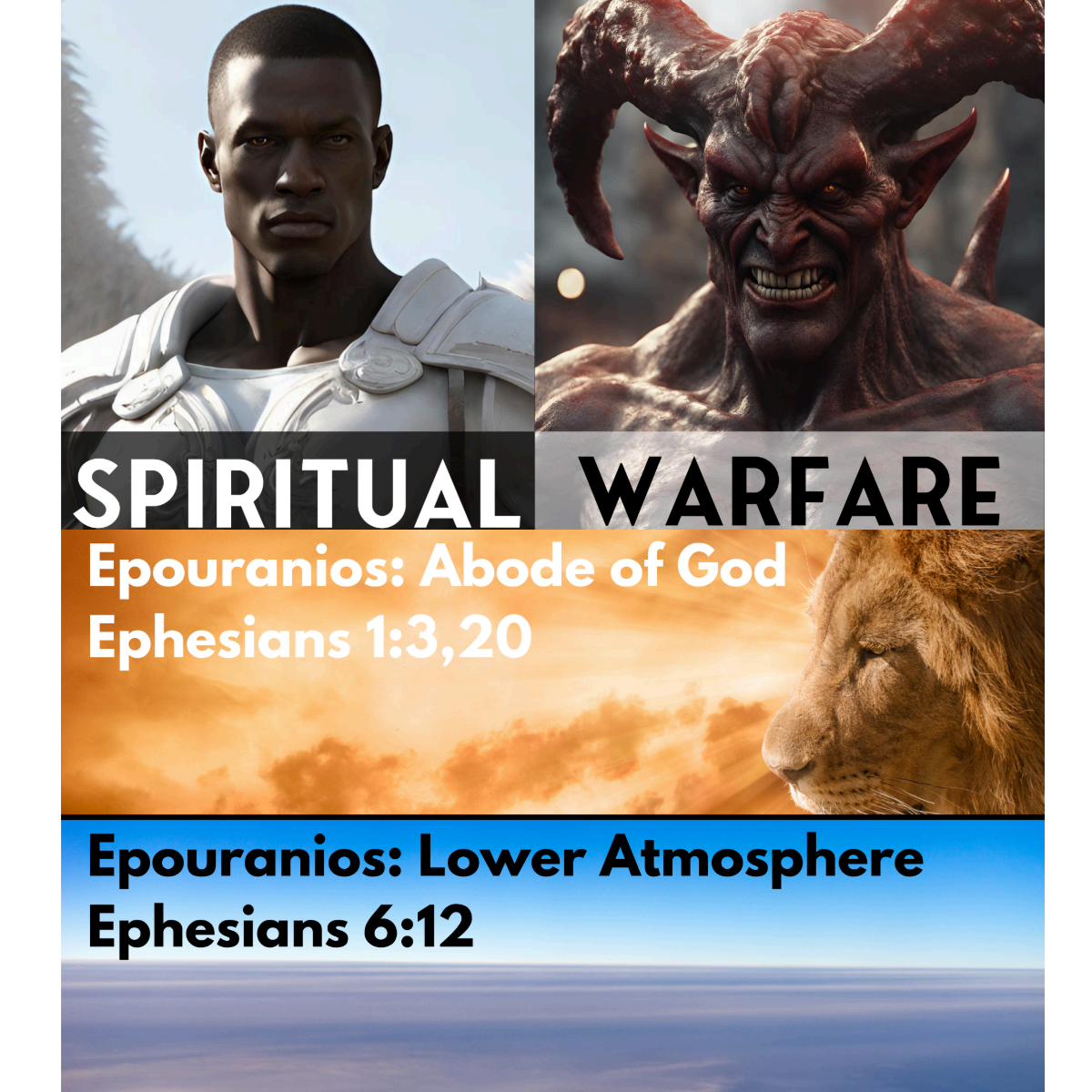
The book of Ephesians tells us the configuration of both good and evil supernatural armies that strikingly match the hostile parties at Alesia.
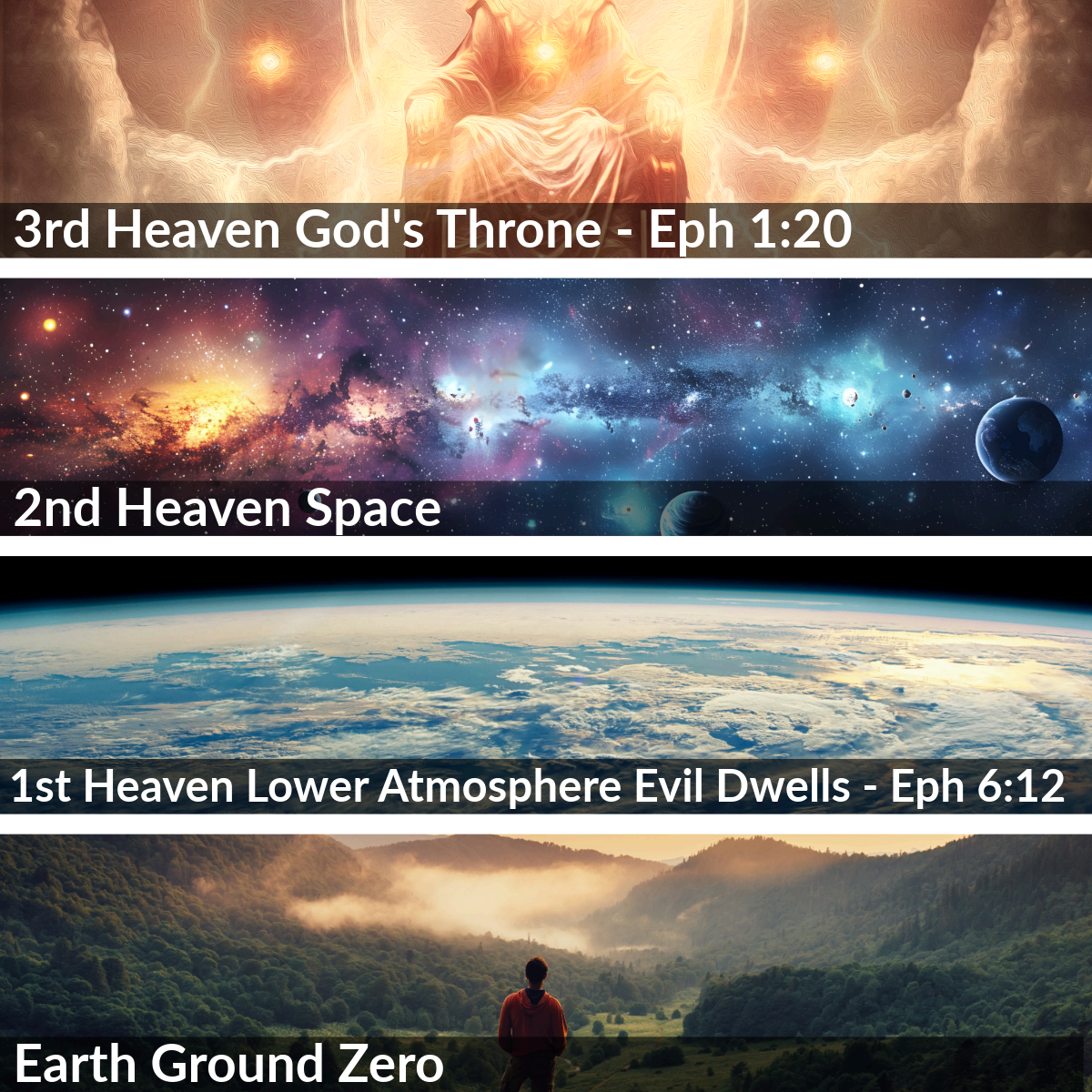
The Apostle Paul speaking of himself, shares that he visited God’s throne in the “third heaven”, a dimension higher and beyond space (2nd heaven) and the lower atmosphere/clouds (1st heaven).
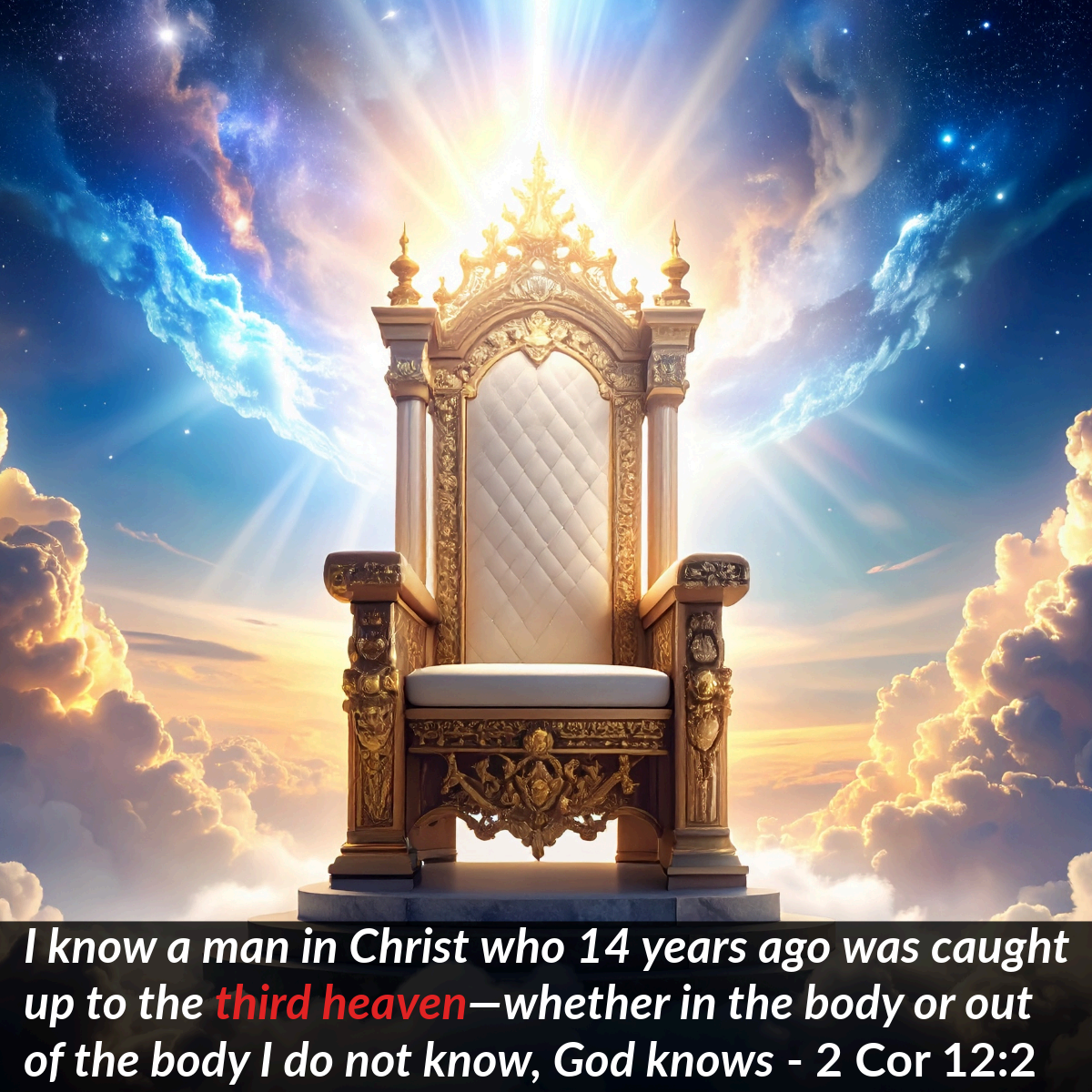
The Devil, “the god of this world” (2 Cor 4:4) has us surrounded on earth like Caesar encompassed Alesia. Do we read elsewhere in the Bible of this oppositional wall confronting both the saints on earth and those from the threshold of God? We absolutely do!!
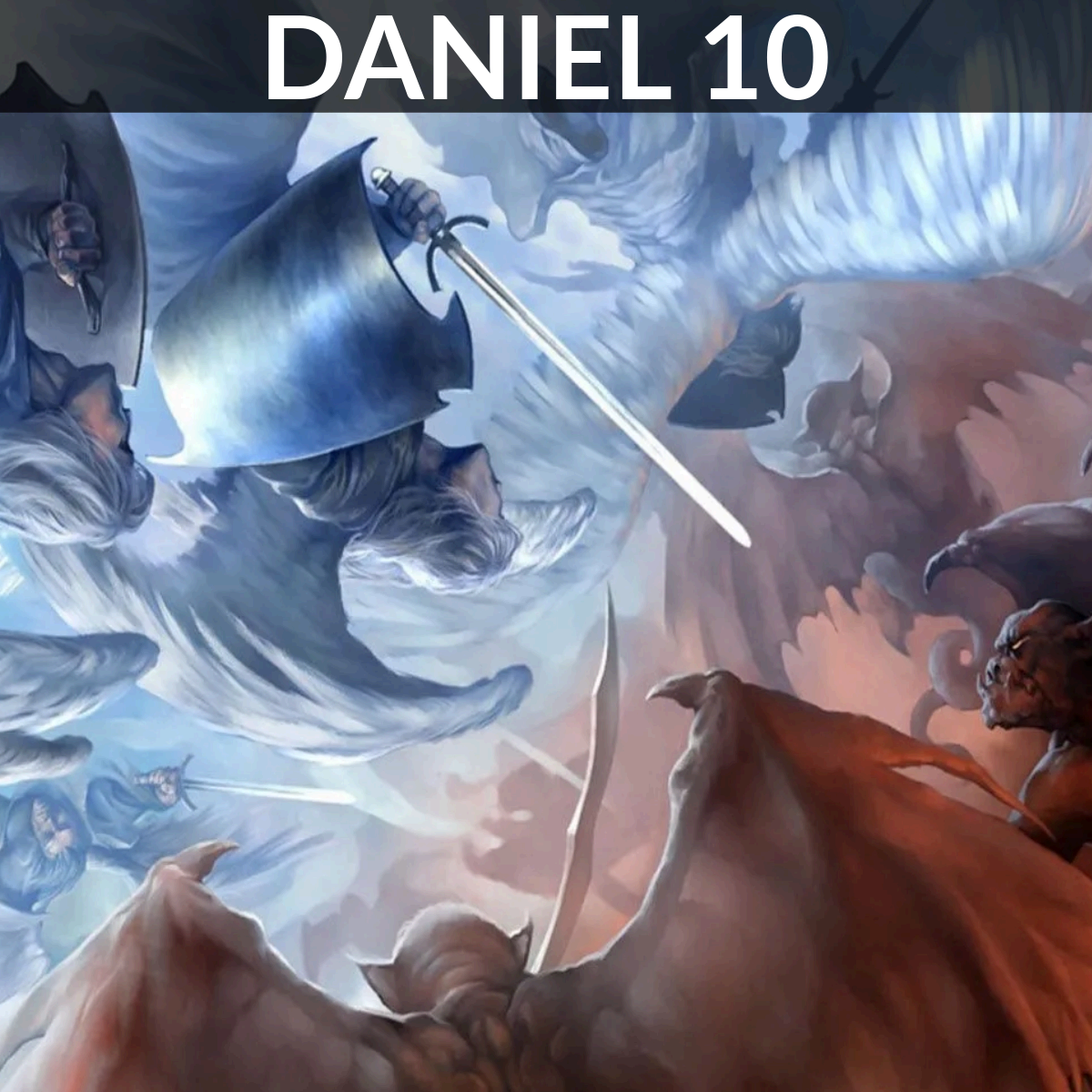
In Daniel Chapter 10 we read of the prophet Daniel, now much older and serving in the kingdom of Persia after it defeated the Babylonian empire. Daniel was mourning, fasting and praying for three weeks to God and then the heavenly visitor from God’s throne arrived to speak with him. Focusing on the spiritual battle and geography of this awesome event Daniel records, we read that “from the first day” Daniel set his heart in prayer before God, the prophet was heard from God’s abode and the supernatural guest was “sent” to him (Daniel 10:11-12). Although there is debate on who exactly visited Daniel from God’s throne, for purposes here let me emphasize that the visitor from God’s throne was clearly sent and empowered by Almighty God. We read next of the opposition the visitor from God’s throne encountered on the way down from his higher dimension into a lower one, where Daniel lived on earth. “The prince of the kingdom of Persia withstood me twenty-one days, but Michael, one of the chief princes, came to help me, for I was left there with the kings of Persia” (Daniel 10:13). The power and supernatural ferocity of spiritual battle due to Daniel’s prayers called for the archangel Michael from God’s throne to assist the messenger who was sent to the prophet.

We see a plurality of evil entities “kings” also ruling over Persia resisting God’s messengers. The two awesome visitors from God’s throne were fighting the very evil supernatural forces in the clouds/lower atmosphere for 21 days! God’s visitors win the battle and get through to Daniel and yet there was delay due to opposition against them. May we stop for a moment and let this sink in, God’s powerful emissaries had to engage in battle and were delayed. How much more should we, as mere mortals, be exercising prayer and calling for victory in the heavenlies over things here on earth. This monumental spiritual battle of the scriptures also sheds light on the very dark principalities temporarily in positions of power that Paul mentions (Ephesians 6:12).
The spiritual warfare aspect of time is vital to our prayer lives and intercessory battles today just as they were for Daniel. Certainly there is a mystery of “time” in how some actions of God are immediate, and others long-awaited but the point is this, God will win every battle and his will can never be thwarted, even if delayed by demonic opposition. This isn’t the only place where we read of “delay” in terms of God performing his will. How can we explain the second action and slightly delayed healing of the blind man in Mark 8:22-26 after Jesus already touched him once? It is again important to remember that nothing is going to prevent God’s will from happening regardless of our time parameters. Jesus himself echoes this perseverance in prayer for his disciples from his parable of the persistent widow in Luke 18. “And he told them a parable to the effect that they ought always to pray and not lose heart” - Luke 18:1 What about the actions of Moses against Amalek, where earthly positioning greatly affected spiritual forces involved in deciding the battle’s outcome; “Whenever Moses held up his hand, Israel prevailed, and whenever he lowered his hand, Amalek prevailed. But Moses' hands grew weary, so they took a stone and put it under him, and he sat on it, while Aaron and Hur held up his hands, one on one side, and the other on the other side. So his hands were steady until the going down of the sun. And Joshua overwhelmed Amalek and his people with the sword” - Exodus 17:11-13 Imagine if Moses, Aaron and Hur all threw in the towel that day, the result would have been the defeat of Joshua and Israel. There are many more biblical examples of the intricacies and connection of correct earthly posturing and perseverance in prayer, to achieve a winning result. In the heavenly home of God’s abode we read of an understanding of time being reflected even though God is bigger and not beholden to space and time; “When he opened the fifth seal, I saw under the altar the souls of those who had been slain for the word of God and for the witness they had borne. They cried out with a loud voice, ‘O Sovereign Lord, holy and true, how long before you will judge and avenge our blood on those who dwell on the earth?’ Then they were each given a white robe and told to rest a little longer, until the number of their fellow servants and their brothers should be complete, who were to be killed as they themselves had been” - Revelation 6:9-11 The Revelation 6 passages are describing both the martyred tribulation saints and God recognizing time amongst God’s heavenly third heaven abode. All that to say, Daniel 10 clearly shows that a delay occurred in God’s response in reaching his prophet due to evil resistance, and we would do well to not give up in prayer also as noted. Let us as Christ followers, “pray without ceasing” (1 Thess 5:17) unless God tells us to stop praying for something that is not aligned to his will. What happens later in the Daniel 10 narrative revisits the geography of spiritual armies and battlefield once again;
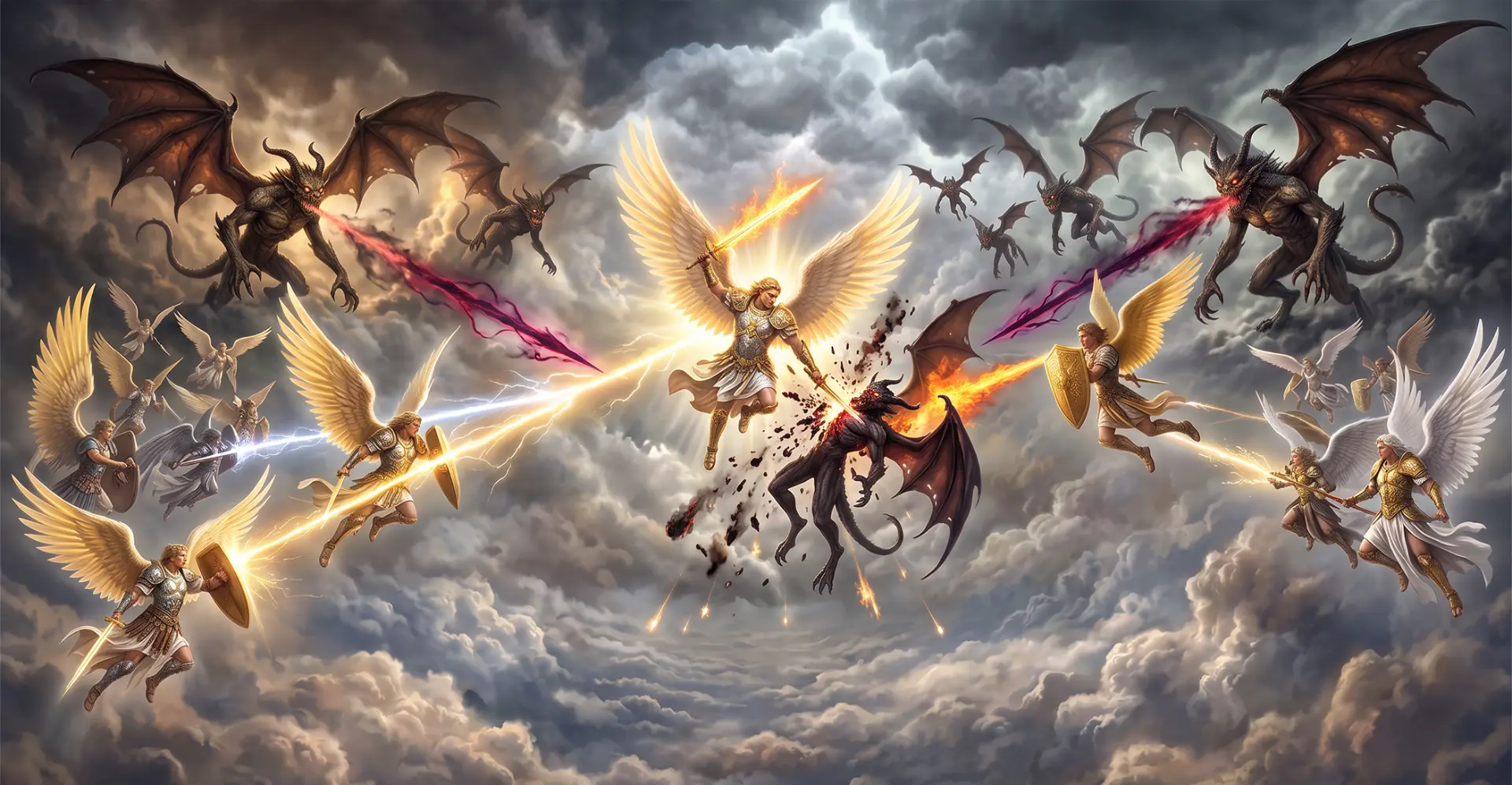
“But now I will return to fight against the prince of Persia; and when I go out, behold, the prince of Greece will come” - Daniel 10:20. The earlier “prince of Persia” is named again as well as a new entity, the “prince of Greece”. These titles describe the evil principalities Paul brought to attention in Ephesians 6:12. In the historical case of Daniel, the earthly-material kingdom of Persia had a dark prince/s ruling it, as the evil prince who will empower the Greecian empire to come after Persia, shows up to aid the Persian dark host! As the heavenly detachment comes down from God’s throne, it met evil resistance in the lower atmosphere. Then on the way back to God’s abode from earth, the spiritual battle resumes again in the clouds, the home of dark forces. This battlefield matches Alesia.
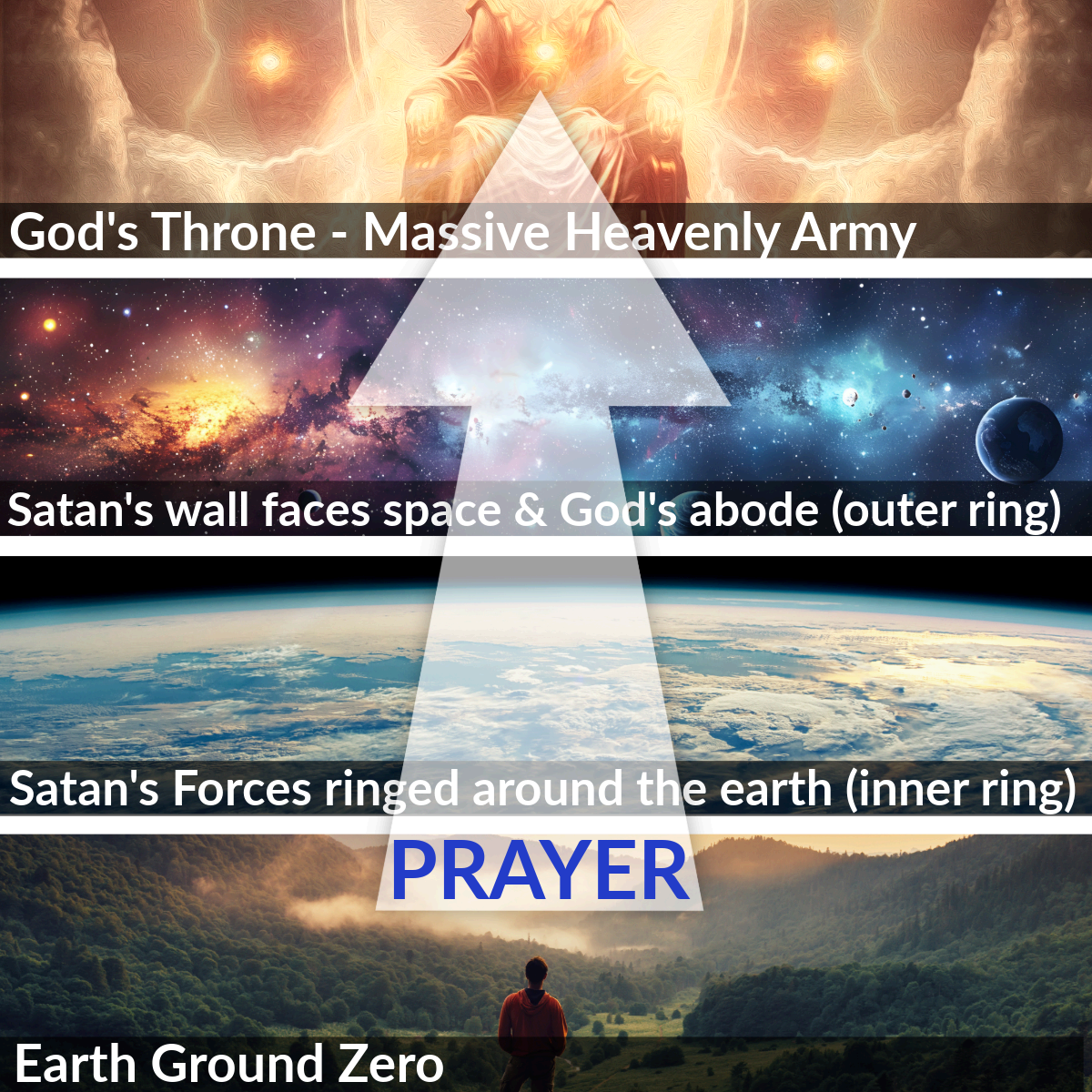
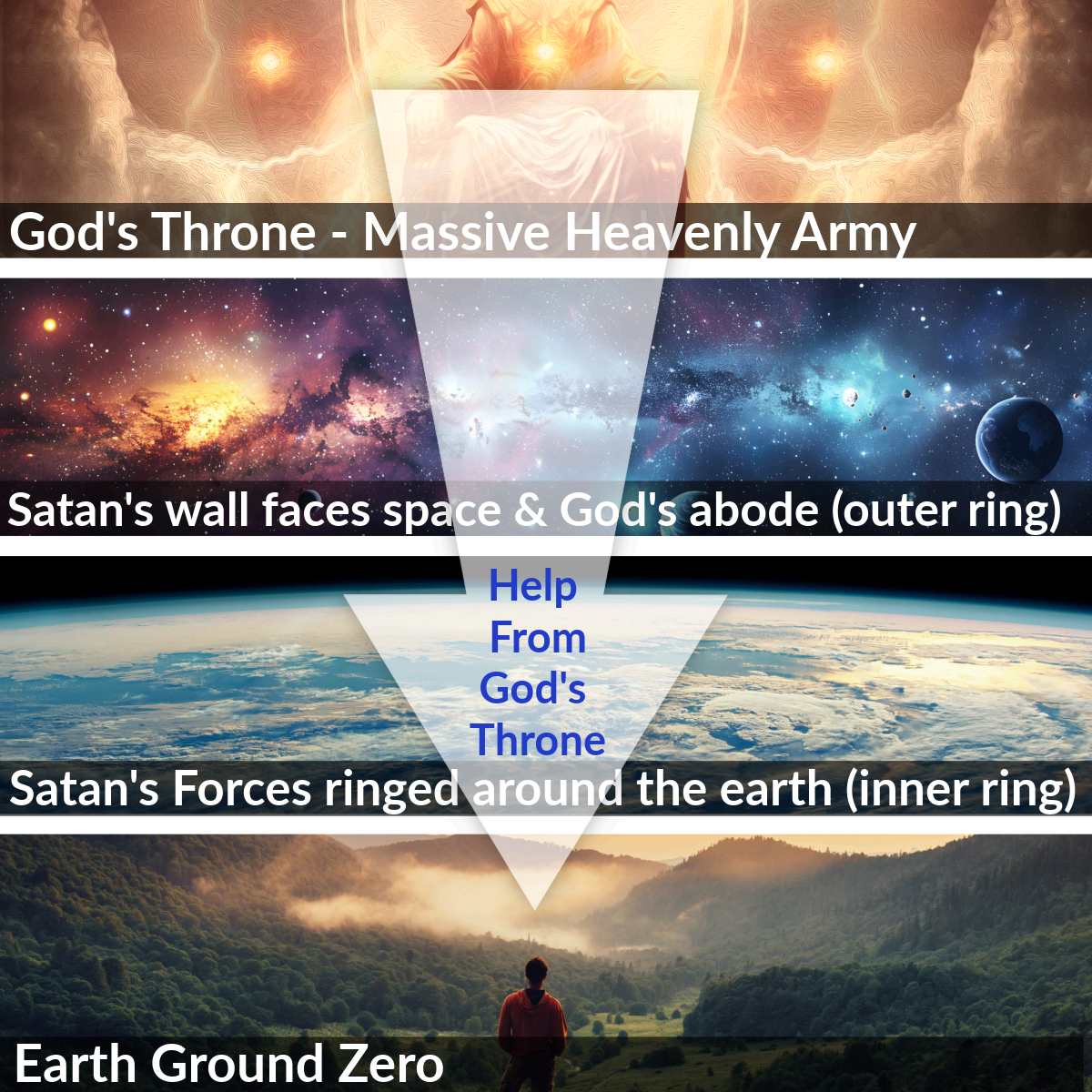
The Devil has the earth ringed by his army like Caesar walled off Alesia. A second front of the Devil’s wall functions as a spiritual barrier towards God’s throne, like Caesar’s additional wall facing the Gallic relief forces trying to break the siege of Alesia. All analogies break down at some point but the historical exploits of Julius Caesar at Alesia dovetail spiritual battle imagery very well. The Apostle Paul also tells us as Christians that we are to; “put on the whole armor of God, that you may be able to stand against the schemes of the devil” - Ephesians 6:11
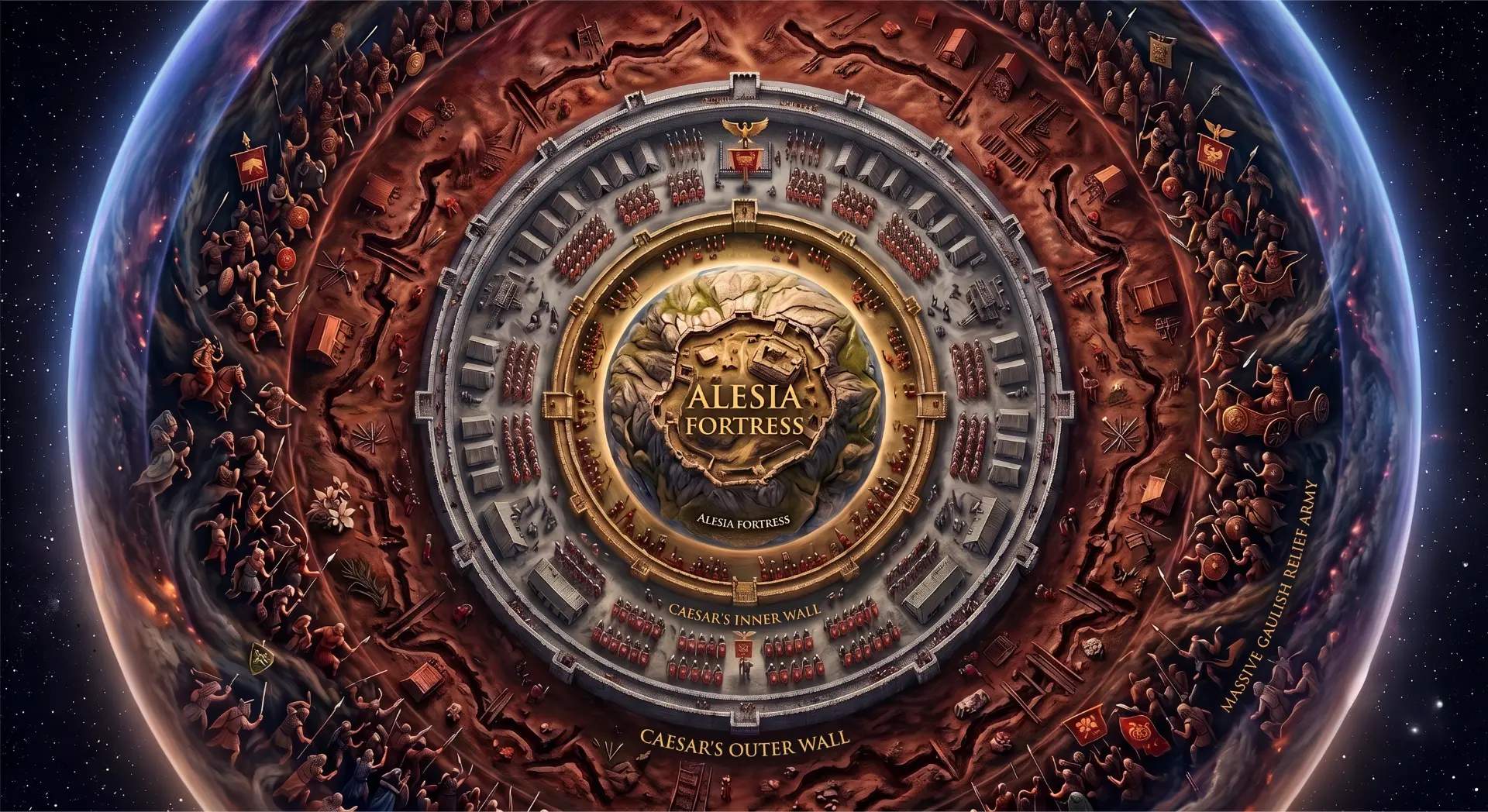
Vercingetorix and his strong force inside Alesia were armed for battle, however they failed to properly coordinate their attack on the Romans with the overwhelming numbers coming from the outside to help. Caesar and his legions should have been destroyed at Alesia but the undisciplined, sporadic and tactical errors of the Gauls coupled with the relief force breaking off the attack from Caesar’s surprise cavalry charge lost the day. Satan, like Caesar, commands a “superior” supernatural army against any and all fleshly opposition poised against him no matter the numbers. For Christians to win our daily and lifelong spiritual battles, we must follow God’s Word to engage our warfare knowing our help comes from Jesus and the angelic hordes of God’s throne. We must not be succumbing to false hubris or wielding our swords of the Spirit via the word of God outside of biblical parameters to conquer “Caesar”. When we are “weak” it is then that we may be “strong” (2 Cor 12:10) in understanding our fleshly frailties that lead us to call upon the resources of God and not our own. What did Caesar do to conquer Gaul and Alesia that we read earlier? “Caesar fermented division, rivalry and intrigues… Like a serpent coiling around prey.” That has been and is still the Devil’s plan today but in our weakness of flesh, we now have been given the presence of Jesus Christ and his resurrection power to engage the enemy! Too many times however in the American Church we see the truth of our weakness misappropriated to instead appeal to our sinful, fleshly states more reminiscent of Julius Caesar to win the day. That fleshly battle plan will never work against the dark forces arrayed against us. Our victory will be found in going boldly before God's throne in utter dependence upon him, to empower our faith by his Spirit for action. There is only one superhero who enables his followers to conquer and he is the Lord Jesus Christ and by trusting in the Messiah, we too will conquer. Further revisiting Caesar’s cunning; A man willing to trap himself between annihilation and glory is capable of anything. The Devil knows he is really the one trapped in the lower atmosphere temporarily ruling over this earth. The enemy has been removed from his official position and residence in God’s abode forever. The great tribulation that is coming upon the earth will commence after the Devil is denied access to ever visit God’s throne again (Revelation 12). In this removal of Satan’s entry pass to accuse the people of God, the Lord from his abode confirms the short leash the enemy is on per God’s clock in referencing the time of Satan’s demise; “Therefore, rejoice, O heavens and you who dwell in them! But woe to you, O earth and sea, for the devil has come down to you in great wrath, because he knows that his time is short!” - Revelation 12:12
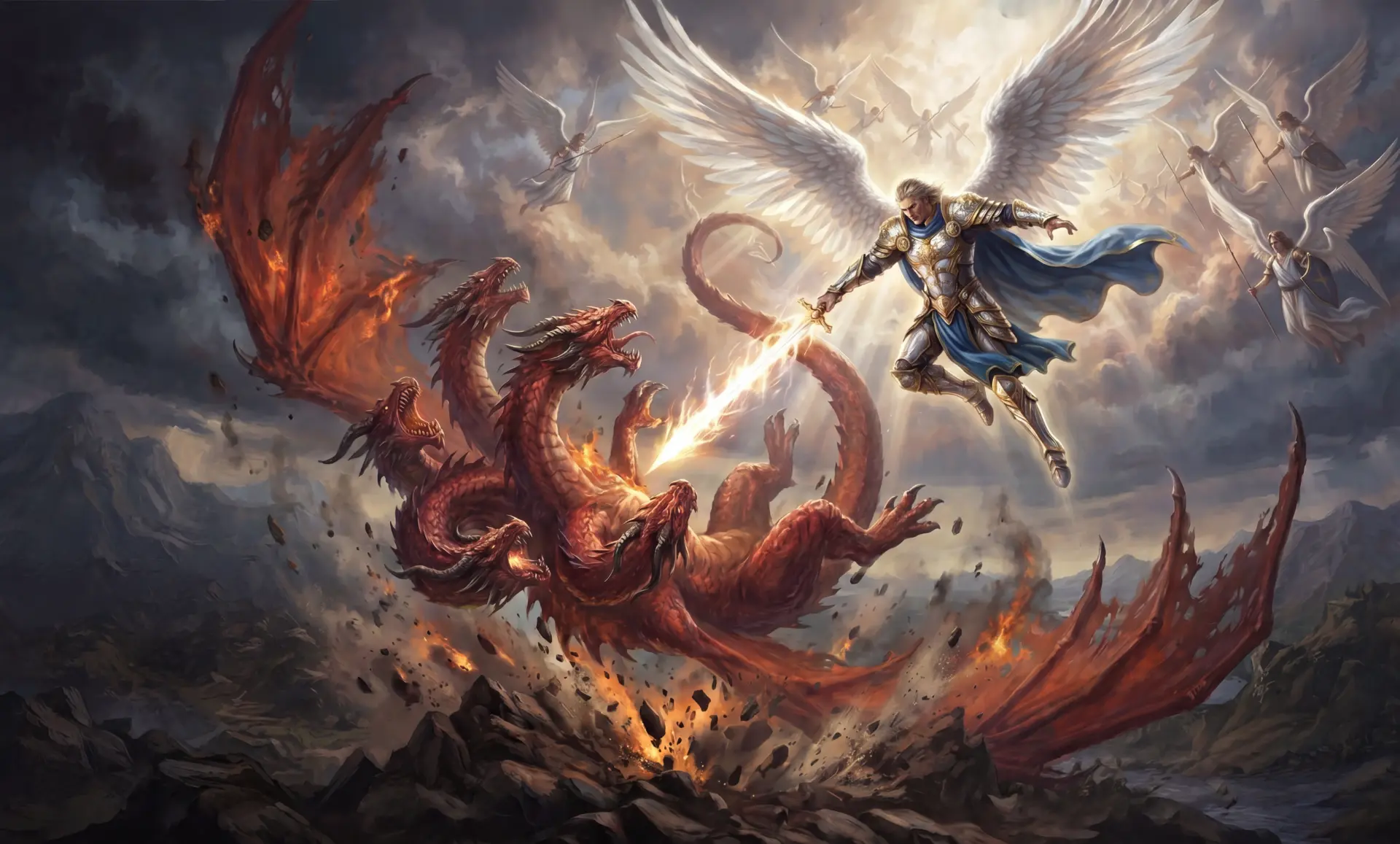
The Serpent is caught between his deluded dreams of glory usurping God, and his own inevitable annihilation so like Caesar at Alesia… he is capable of anything in his ability to do. Our prayer and intercession life is not futile against the enemy but rather able to tear down his strongholds as the Bible tells us (2 Cor 10:4). As we ourselves get caught up in the heavenlies so to speak like Paul, looking to Jesus, the “author and perfecter of our faith” (Hebrews 12:2), ultimate victory is ours because of Jesus. Knowing the war is won as followers of Christ await his return and our culminating glorification, is what creates a steadfast pursuit to pray over our spiritual battles today. Let us always be thankful in remembering where we came from; “And you were dead in the trespasses and sins in which you once walked, following the course of this world, following the prince of the power of the air, the spirit that is now at work in the sons of disobedience” - Ephesians 2:1-2 The “prince of the power of the air”, amongst the clouds, is exerting his will over all flesh on earth not born again and adopted into the Body of Christ. Let us as Christ-followers not revert back to the weapons of this world that fail against the enemy in spiritual battle. Rather let us rejoice in knowing that the siege over this earth by Satan will end at the return of Jesus Christ for that great day is our foundation to persevere and wage daily war, God’s way. “Then I saw heaven opened, and behold, a white horse! The one sitting on it is called Faithful and True, and in righteousness he judges and makes war. His eyes are like a flame of fire, and on his head are many diadems, and he has a name written that no one knows but himself. He is clothed in a robe dipped in blood, and the name by which he is called is The Word of God. And the armies of heaven, arrayed in fine linen, white and pure, were following him on white horses. From his mouth comes a sharp sword with which to strike down the nations, and he will rule them with a rod of iron. He will tread the winepress of the fury of the wrath of God the Almighty. On his robe and on his thigh he has a name written, King of kings and Lord of lords.” - Revelation 19:11-16 - Joe

Share this teaching