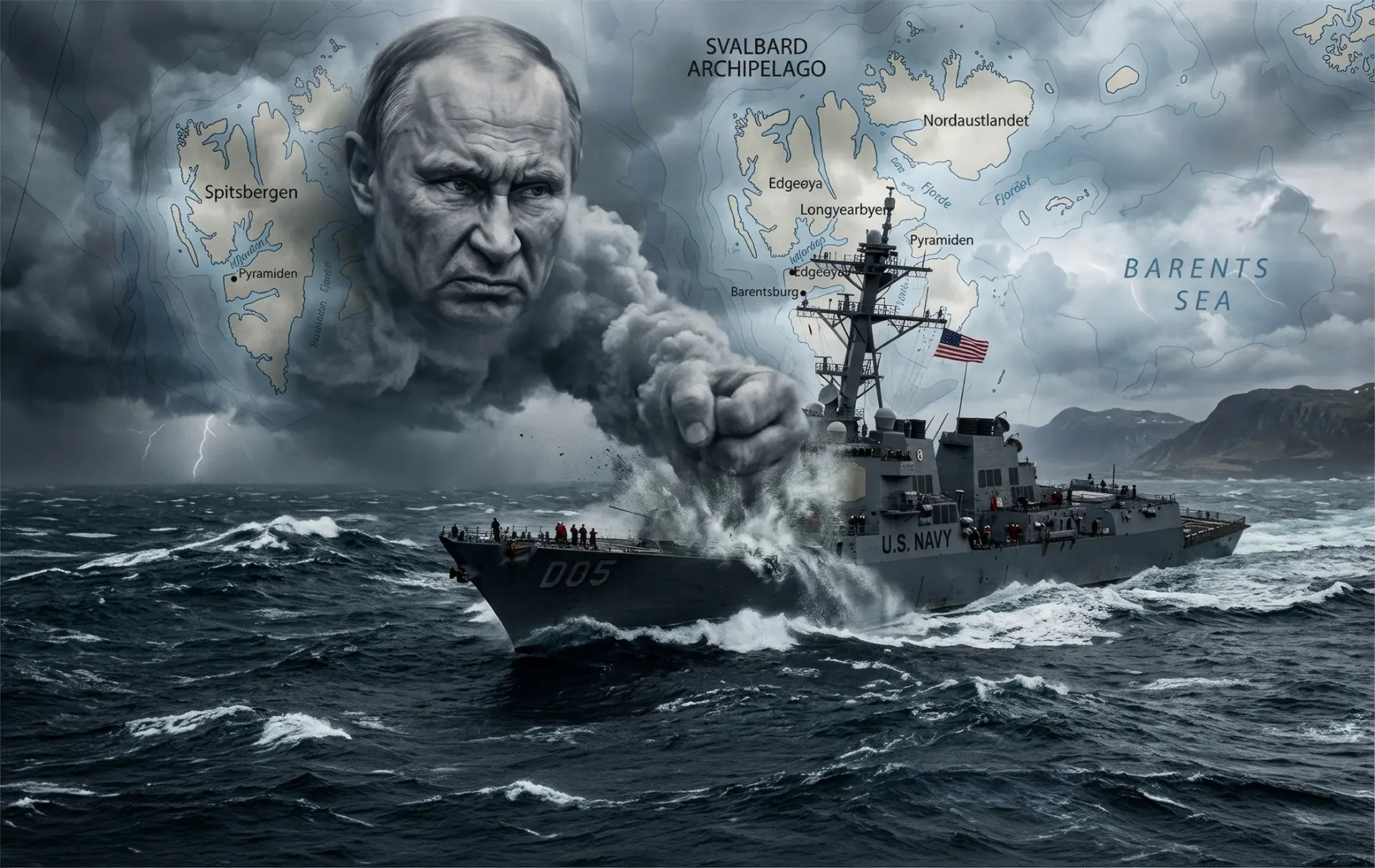
Svalbard Strike
Svalbard at the Center: Why a Russian-American Naval Crisis is conceivable
A direct naval conflict between Russia and the United States in the High North is not inevitable. But the geography of the Norwegian Sea, Barents Sea, Arctic Ocean and Svalbard archipelago creates a particularly dangerous environment in which a wider Russia-NATO confrontation could produce a naval crisis with American and Russian forces operating in close proximity.
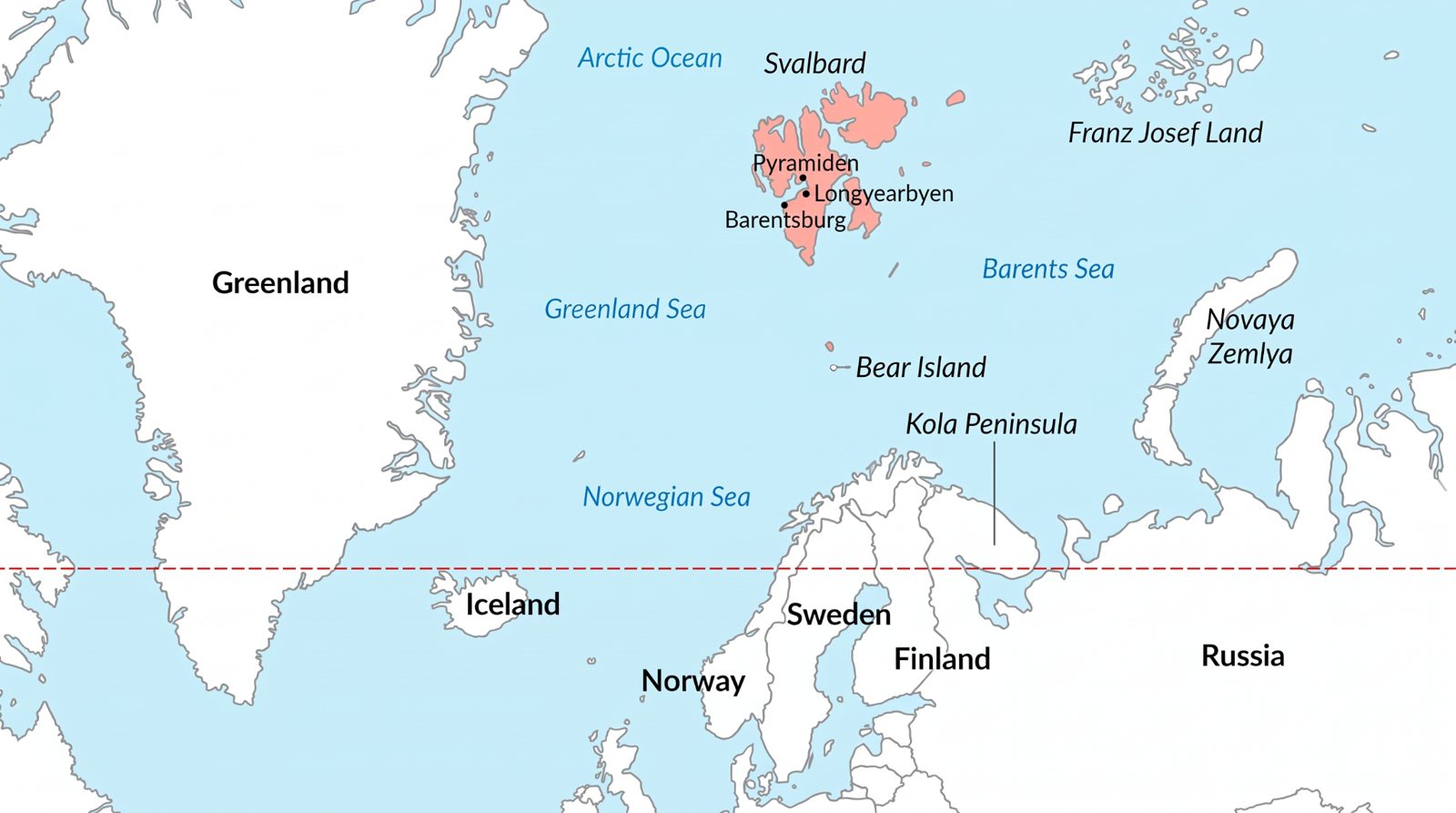
The strategic importance of Svalbard is disproportionate to its size. The archipelago sits roughly midway between mainland Norway and the North Pole, close to the approaches to the Barents Sea and the Norwegian Sea. To Russia, the area lies near the maritime approaches to the Kola Peninsula, home to the Northern Fleet and a major concentration of Russian strategic and conventional military forces. To NATO, the same geography forms part of the seafaring gateway between North America and Europe. NATO now explicitly describes the Arctic and High North as a region of increasing strategic competition and has substantially increased its military attention there.
The result is a strategic paradox: Svalbard is legally constrained from becoming a military fortress, yet its location makes it extremely valuable to military planners.
The treaty that makes Svalbard different
The starting point for any discussion of a conflict has to be the 1920 Svalbard Treaty.
The treaty recognizes Norwegian sovereignty over the archipelago. Norway's government describes that sovereignty as "full and absolute," while the Soviet Union formally recognized Norwegian sovereignty in 1924 and joined the treaty in 1935.
The treaty nevertheless establishes special rules.
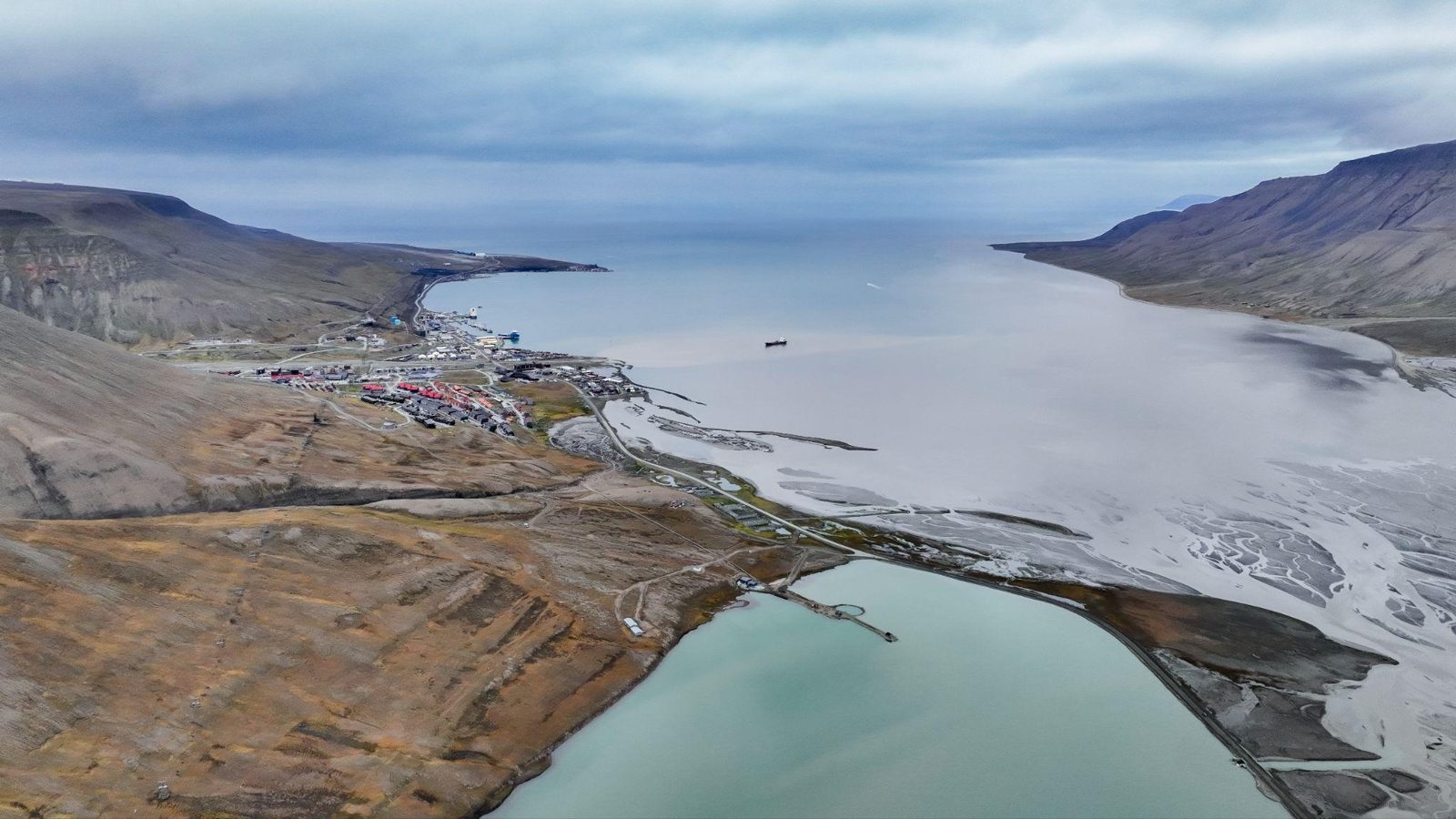
Article 9 prohibits the establishment of naval bases and fortifications and prohibits the use of Svalbard for "warlike purposes." Norway interprets these restrictions as applying to all treaty parties. At the same time, the treaty does not amount to a blanket prohibition on military activity: Norway maintains that defensive measures and certain military activities remain permissible, while permanent naval bases and fortifications are prohibited.
That distinction could become extraordinarily important during a crisis.
If Russia believed that NATO was attempting to turn Svalbard into a military intelligence or surveillance platform against the Kola Peninsula, Moscow could argue that the spirit of Article 9 was being violated—even if Norway and NATO argued that their activities were defensive and lawful.
Conversely, if Russia attempted to establish military control over Svalbard, Norway and its allies could regard that as a violation of Norwegian sovereignty and potentially an armed attack on NATO territory.
That creates a potential escalation mechanism in which both sides could claim that they were responding defensively to the other side's actions.
Why Svalbard matters to Russia
The most important Russian military geography in this equation is not actually Svalbard itself.
It is the Kola Peninsula.
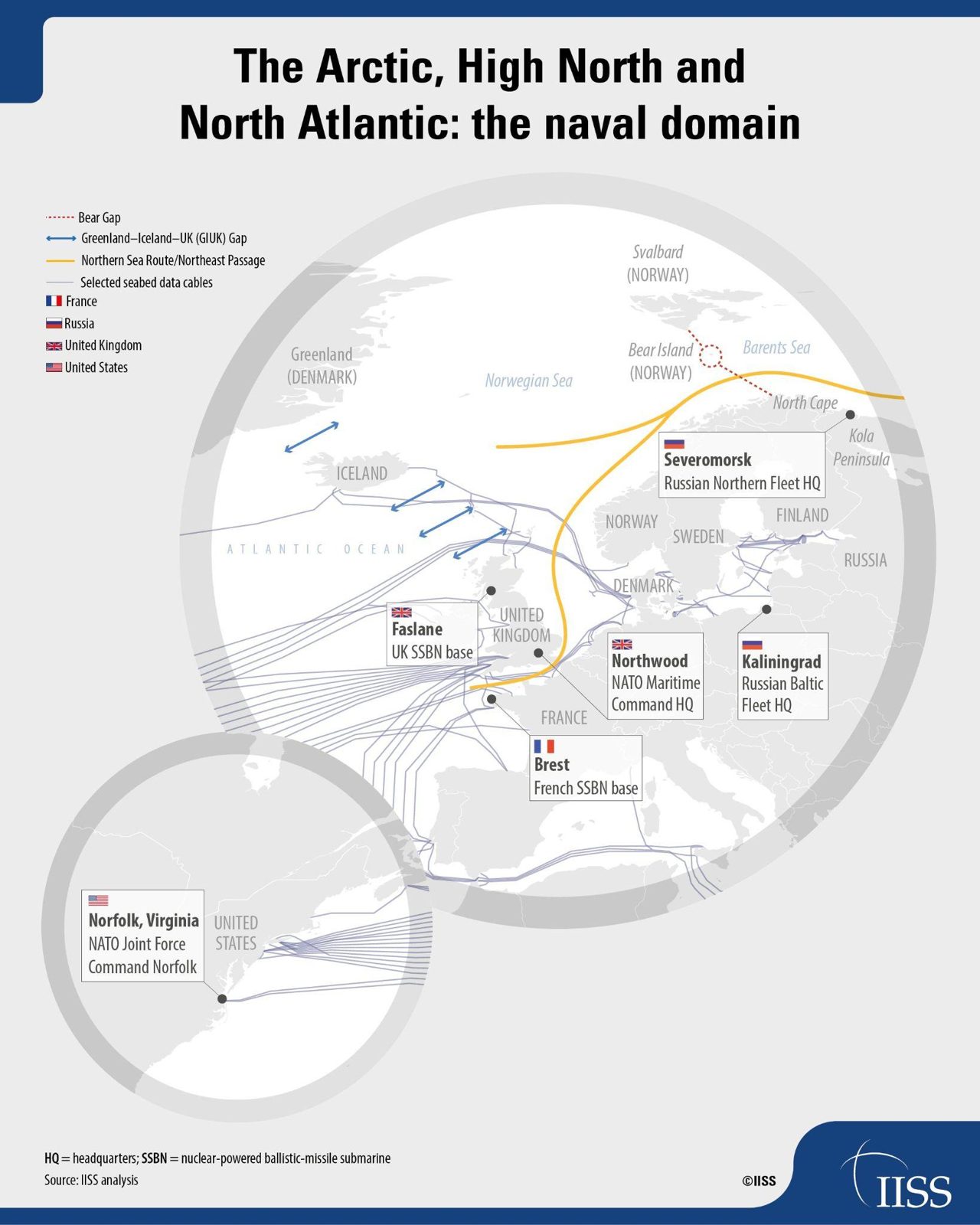
The Kola Peninsula contains Russia's Northern Fleet infrastructure and forms one of the foundations of Moscow's nuclear deterrent. Russian submarines operating from the region need secure access to the Norwegian and Barents seas and the wider North Atlantic. Svalbard sits near the western approaches to this strategic bastion.

Consequently, Moscow has a strong incentive to prevent hostile military forces from gaining an enduring advantage around the archipelago. NATO itself says Russia has increased military activity in the Arctic, including new and reopened military sites, airfields and deep-water ports, while modernizing capabilities relevant to Arctic operations.
From Moscow's perspective, therefore, Svalbard is not merely an isolated group of islands containing Russian and Norwegian settlements. It forms part of the maritime environment surrounding the Kola Peninsula.
That does not mean Russia necessarily intends to invade Svalbard. But it explains why a Russian government facing a major NATO-Russia confrontation could regard control of the surrounding waters and denial of hostile surveillance from the islands as strategically important.
The Northern Sea Route connection
Another factor is Russia's increasingly important Arctic shipping strategy.
The Northern Sea Route runs along Russia's northern coastline and offers Moscow a maritime connection between the European Russian Arctic and the Pacific. Its importance grows as seasonal ice conditions change and as Russia attempts to expand Arctic energy exports.
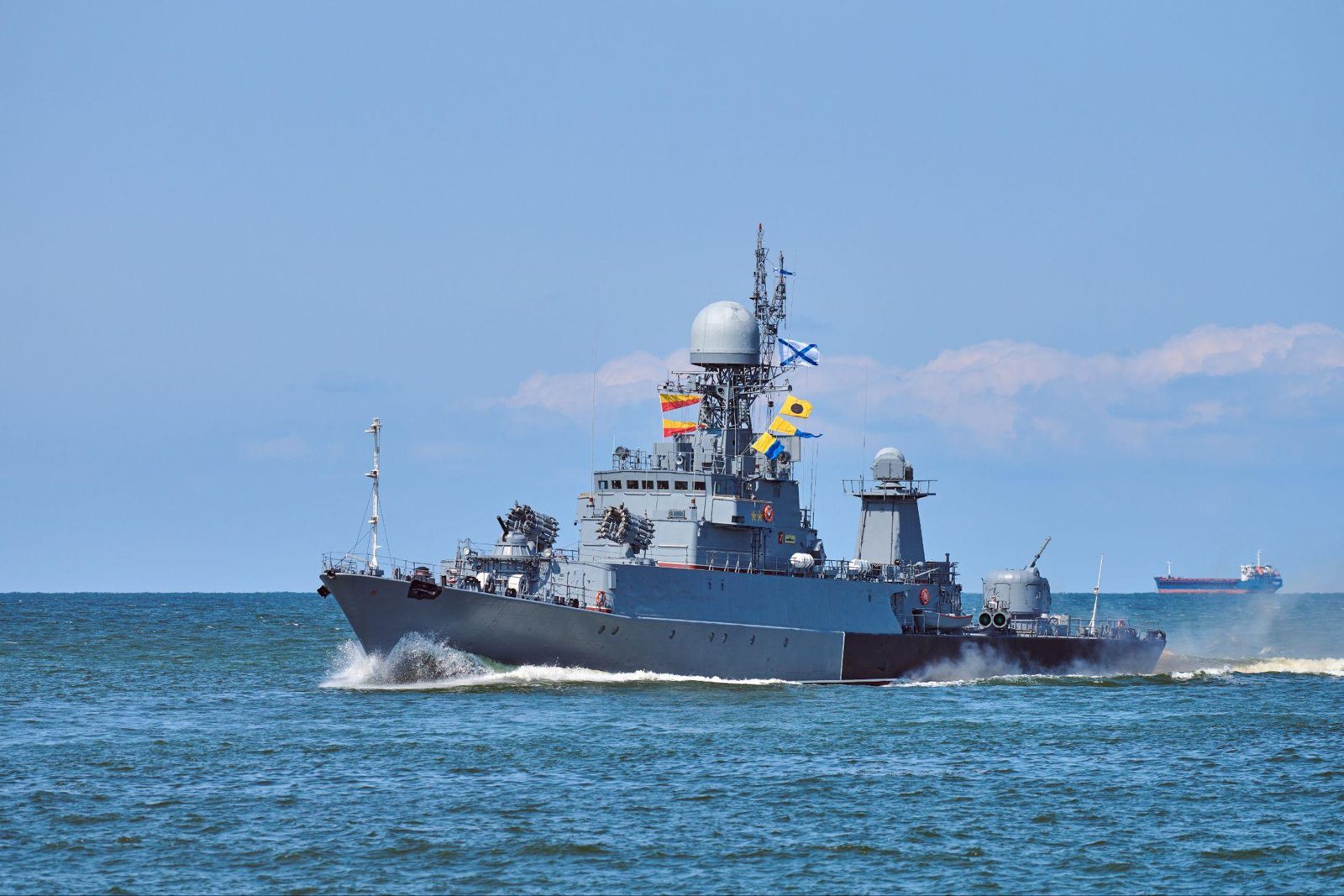
Svalbard does not sit directly on the Northern Sea Route. That distinction matters.
But it sits near the western maritime approaches connecting the Russian Arctic to the North Atlantic and European markets. A conflict affecting Svalbard, the Barents Sea and Norwegian Sea could therefore affect the western gateway through which Russian Arctic energy and other commercial shipping ultimately reaches international markets.
For Moscow, protecting the Arctic shipping system therefore means more than protecting individual ships. It means maintaining access to ports, icebreakers, energy infrastructure and maritime corridors.
This is one reason that an argument can be made that Russia might eventually seek greater control over the waters surrounding Svalbard in a severe crisis—even though that is very different from demonstrating an actual Russian plan to annex the islands.
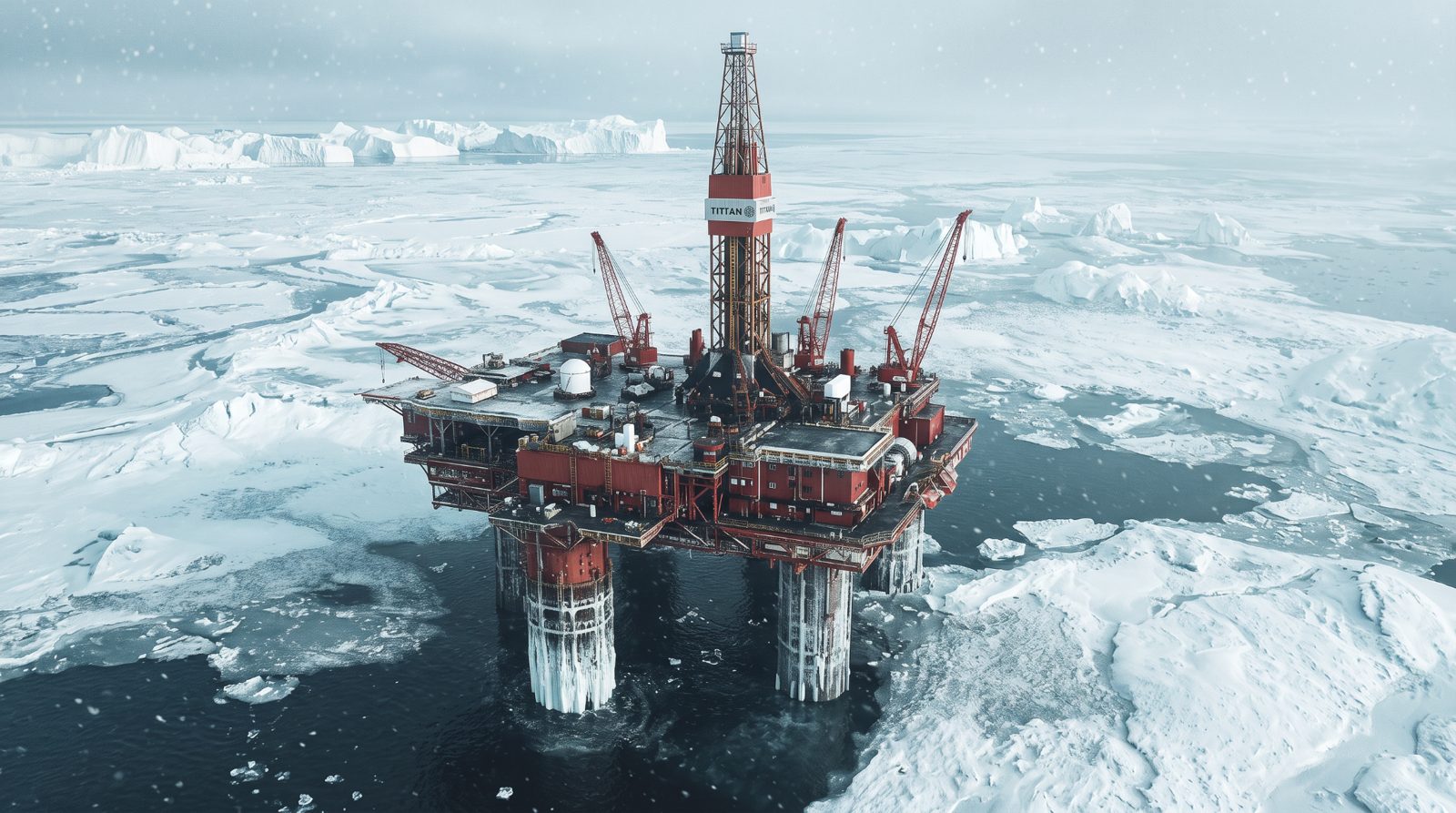
Oil, LNG and the resource question
The Arctic is also an energy region.
Norway continues to develop oil and gas resources in the Barents Sea and Norwegian Sea. In its 2025 licensing round, Norway expanded predefined exploration acreage by 76 blocks or parts of blocks, including 68 in the Barents Sea.
But an important qualification is necessary: Svalbard itself is not currently an operating oil-and-gas province.
Norway states that the marine areas around Svalbard have not been opened for petroleum activity and that no exploration-drilling licences have been granted in its territorial sea around the archipelago.
The strategic resource issue is consequently broader than oil beneath the islands.
It concerns:
- the petroleum-rich Barents Sea;
- Norwegian gas exports;
- Russian oil and LNG exports;
- Arctic shipping routes;
- continental-shelf jurisdiction;
- fisheries;
- subsea infrastructure;
- future Arctic resource development.
There are also disagreements concerning the application of the Svalbard Treaty to maritime areas beyond the territorial sea. Norway maintains that the treaty's equal-treatment provisions do not extend to the continental shelf beyond 12 nautical miles. Russia and several other states have historically disputed aspects of Norway's interpretation.
That means the resource question around Svalbard is not simply "who owns the oil?"
But also who has the legal authority to regulate economic activity in the surrounding seas?
In a period of deteriorating relations, disputes that were previously managed through diplomacy could become security issues.
Pipelines and subsea infrastructure
The Arctic and Norwegian seas are increasingly important to European energy security.
Norway has become a major supplier of natural gas to Europe, and its continental-shelf gas transportation system is extensive. The Norwegian government has also moved toward full state ownership of important parts of that gas transportation infrastructure.
At the same time, Russia has an enormous network of energy infrastructure connecting Arctic production to export markets.
This has created another area of confrontation: undersea infrastructure.
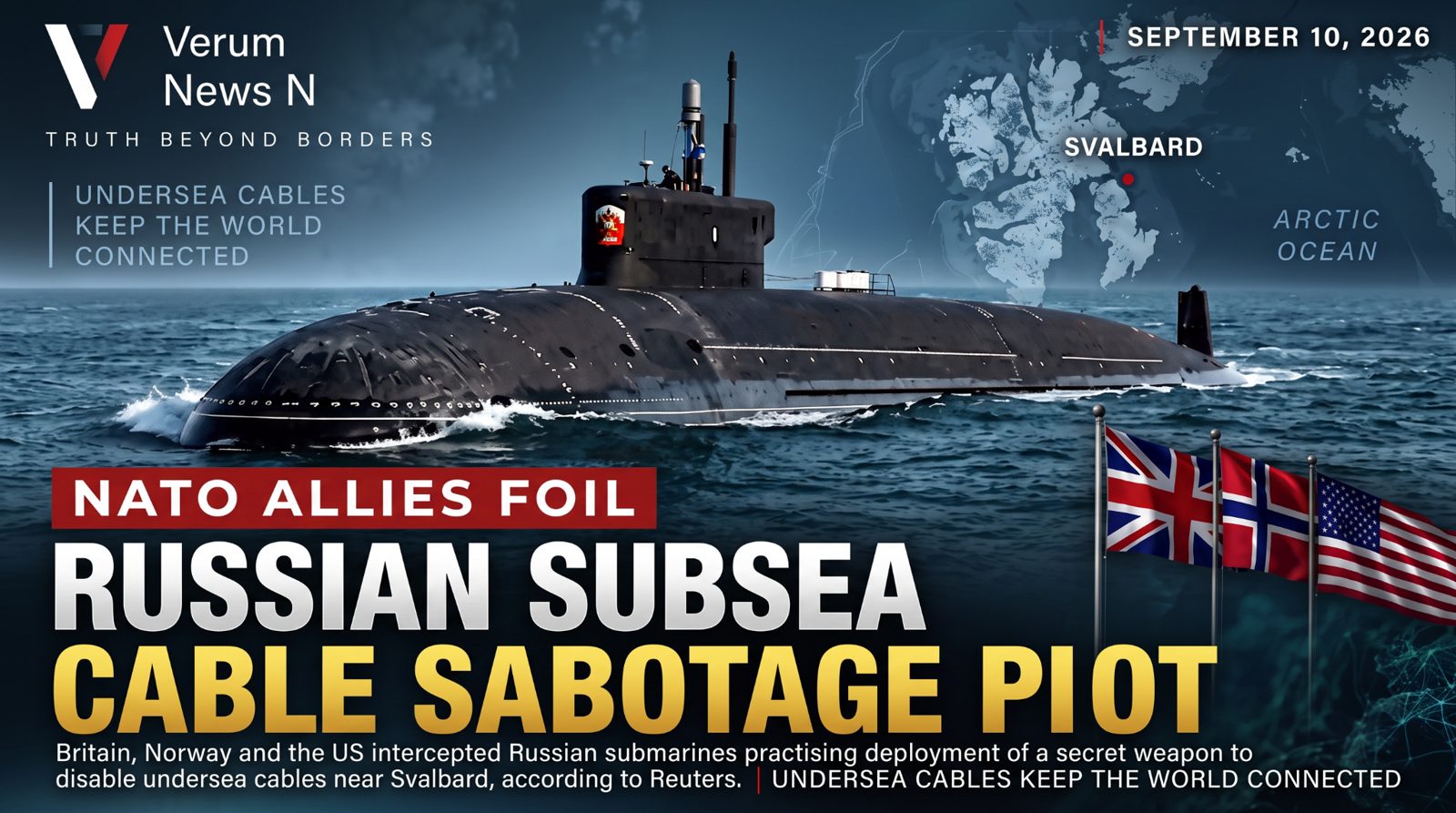
In spring 2026, NATO allies reportedly detected and disrupted a covert Russian operation near Norway's Svalbard archipelago aimed at rehearsing the sabotage of critical undersea fiber-optic cables. According to Western officials cited by Reuters, Russia's GUGI deep-sea warfare unit used specialized submersibles to simulate deploying a secret technology designed to disable cables without leaving obvious evidence. British, Norwegian, and U.S. forces tracked and confronted the Russian vessels, preventing them from completing the exercise. The cables connect Svalbard with mainland Norway and carry substantial satellite and communications data, making them strategically important infrastructure. Russia has denied conducting sabotage operations against NATO countries.
A crisis around Svalbard could therefore begin below the threshold of war.
An unexplained cable failure, suspicious vessel, intelligence operation, interference with navigation or confrontation involving an energy shipment could trigger accusations before either side fired a shot.
The shadow fleet changes the equation
Russia's so-called "shadow fleet" has become another potential source of friction.
The EU says the network consists of vessels used to circumvent sanctions and the oil price cap, often involving opaque ownership, flags of convenience and evasive tracking practices. By July 2026, the EU said more than 670 vessels had been placed on its shadow-fleet list.
Norway has aligned itself with European sanctions measures targeting shadow-fleet vessels. The EU has also expanded sanctions against vessels and companies associated with Russia's maritime energy trade, including measures affecting LNG tankers and icebreakers.
This creates a potentially dangerous maritime problem.
A sanctioned Russian-associated tanker operating near Norwegian waters could encounter Norwegian authorities or allied surveillance aircraft and ships. A Russian naval vessel might accompany or monitor commercial shipping. NATO forces might simultaneously be conducting maritime surveillance.
What begins as sanctions enforcement could therefore place Russian and Western naval forces in the same geographic space. The risk is not necessarily a deliberate attack. It could be a collision, dangerous maneuver, electronic interference, warning shots or misidentification that escalates faster than diplomats can intervene.
Espionage in the High North
The Arctic is also an intelligence battlefield.
Russia has an obvious interest in monitoring NATO naval movements, submarine operations, exercises, satellite communications and reinforcement routes. NATO has corresponding interests in monitoring Russian naval and submarine activity around the Kola Peninsula.
Svalbard's geographical position makes it particularly valuable for surveillance.
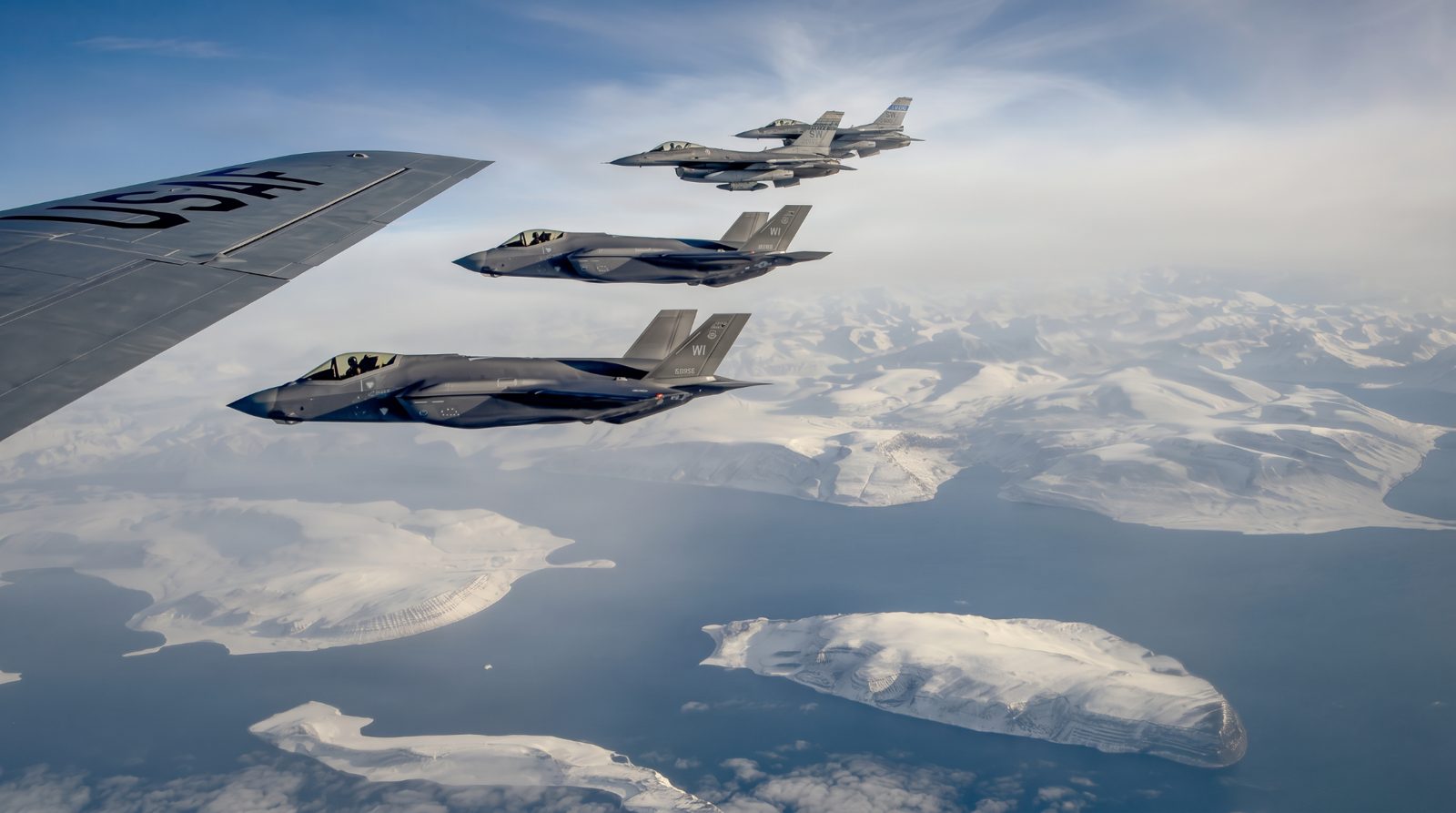
NATO is expanding Arctic intelligence, surveillance and reconnaissance capabilities. Its Arctic Sentry activity, launched in February 2026, is designed to improve collective awareness across the Arctic and High North. NATO subsequently launched Task Force X-Arctic to test networked uncrewed systems for persistent situational awareness across the North Atlantic, Arctic and High North.
The more surveillance systems deployed, the more opportunities exist for Russian forces to perceive them as threatening. And the closer Russian and NATO forces operate to one another, the greater the possibility of an incident.
Greenland adds another strategic dimension
Svalbard cannot be considered separately from Greenland.
President Donald Trump, Denmark, and Greenland have signed a new security agreement that significantly expands the U.S. military role on the strategically important Arctic island. The agreement permits additional U.S. defense areas, including at Narsarsuaq and Mestersvig, and allows expanded military operations and missile-defense capabilities. It also restricts non-NATO countries from establishing military installations or a persistent military presence in Greenland.
Together with Iceland, northern Norway and the approaches to the Barents Sea, Greenland forms part of the broader Arctic-North Atlantic strategic system.
The United States has longstanding security interests in Greenland. NATO Secretary General Mark Rutte stated in July 2026 that the United States, Canada, Denmark, Greenland and European Arctic allies were discussing Arctic defence, while separate trilateral talks involving the United States, Greenland and Denmark were addressing future U.S. investments and troop deployments.
For Russia, an increasingly militarized Greenland and a more heavily surveilled Svalbard could appear as components of a larger NATO effort to strengthen control over the Arctic approaches to the North Atlantic. For NATO, the opposite interpretation is possible: Russian military modernization and Arctic activity are creating the need for greater surveillance and deterrence.

This is the classic security dilemma.
One side's defensive measure can appear to the other side as preparation for offensive action.
Why American and Russian navies could end up dangerously close
The United States does not need to establish a base on Svalbard for American and Russian naval forces to encounter each other.
U.S. naval forces can operate in the Norwegian Sea and North Atlantic. NATO conducts exercises in Norway and the High North. Russian Northern Fleet forces operate from the Kola Peninsula and into the Barents, Norwegian and North Atlantic seas. NATO's maritime strategy explicitly identifies the High North as important for protecting the sea lines of communication between North America and Europe.
The Alliance's Arctic Sentry activity now integrates national and NATO activities across the region, while Joint Force Command Norfolk has responsibility for protecting strategic Atlantic sea lines of communication.
The most consequential scenario may not be a Russian conquest of Svalbard, although that remains possible, but rather a maritime confrontation from opposing naval forces in close proximity and Russia opening fire on an American vessel.
Why would Moscow put themselves on a war footing with the United States and likely NATO by firing a salvo that could lead to WW3? The simple reason is the deteriorating conditions inside of Russia due to crippling policies and sanctions aligned against them. A development of dire repercussions from Russia invading Ukraine and showing itself, along with its allied nations, that they are willing to broaden the war.
This combination creates a volatile strategic triangle:
Russian access to the Kola Peninsula and Arctic Ocean → Svalbard and the Norwegian Sea → NATO's North Atlantic reinforcement routes.
A confrontation anywhere along that chain could rapidly affect the others.
Conclusion
The confrontation in and around Svalbard is possibly a key domino in the ever growing "Nation vs. Nation" eruption happening around the world per the words of the Lord Jesus Christ (Luke 21:10). A live engagement between American and Russian warships in the Arctic could potentially ignite a regional/global war that may lead to the false peace over Israel at its end. But an "end" at a horrible cost only leading to the great tribulation arriving afterwards in short order.
A Russian-American naval conflict in the High North is not an inevitable trajectory by any means. But the possibility deserves attention because the underlying ingredients are increasingly present.
Russia is reinforcing its Arctic military capabilities. NATO is expanding its own Arctic surveillance and defence activities. The United States is paying greater strategic attention to Greenland and the wider Arctic. Norway is strengthening maritime surveillance. European sanctions increasingly target Russian energy shipping and the shadow fleet. Oil, LNG, fisheries, pipelines, cables and Arctic shipping routes all give the region economic as well as military significance.
And at the center of the geography sits Svalbard.
That is why Svalbard could become one of the most dangerous pressure points in a future Russia-NATO confrontation—not necessarily because either side wants to conquer the islands, but because the strategic value in and around Svalbard is much greater than its size, and because Russian and Western military forces are increasingly operating in the same narrow Arctic strategic space.